Most senior dogs need a wellness exam every six months, more often if illness, medication, or new signs appear.

When does your older dog actually count as senior for vet scheduling. For most dogs it is around 7 to 8 years, earlier for large and giant breeds.
That birthday matters because aging speeds up. A six-month gap for a senior dog covers more change than a full year for a young adult. My rule is simple. Healthy senior dogs get a full wellness exam every six months, with labs at least once a year.
The American Veterinary Medical Association notes that senior pets need closer observation and more frequent veterinary care, along with attention to weight, mobility, and behavior changes at home.
When the senior clock starts ticking
Small dogs often reach senior status near 10 to 12 years. Medium dogs land near 8 to 10. Large and giant breeds often qualify by 6 to 8. Your vet will set the line for your dog based on breed, weight, and health history.
If you are unsure, read How Old Does a Dog Have to Be Before Signs of Aging Typically Start? and How to Tell Your Dog Is Entering Its Senior Years. Look for slower stairs, longer naps, cloudy eyes, new lumps, thirst changes, or selective hearing.
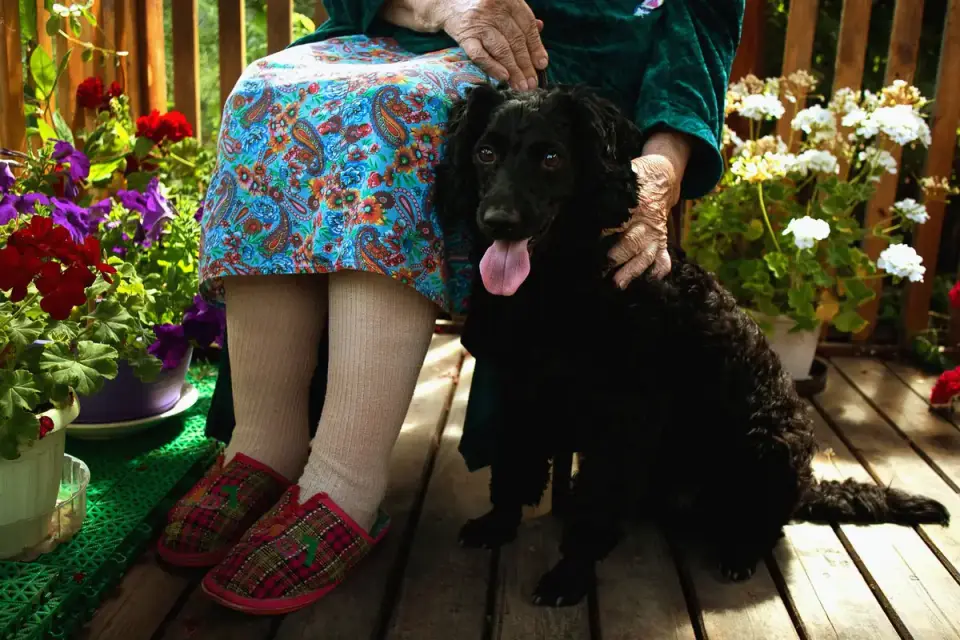
What a senior wellness rhythm covers
Think in two parts. The hands-on exam every six months. And the baseline testing once or twice a year.
A senior exam usually covers weight and body condition, teeth and mouth pain, eyes and vision, ears, heart and lungs, belly palpation, skin and lumps, joints and gait, and a behavior review. The American Animal Hospital Association: AAHA senior care guidelines for dogs and cats lay out this age-forward approach to exams and screening for older pets.
Labs help catch what hands cannot feel. Expect bloodwork, urine testing, and often blood pressure. Thyroid, kidney values, liver values, glucose, and urine concentration get special attention in older dogs. Chest X-rays or abdominal imaging are added based on exam findings, not on a fixed schedule for every dog.
Ellen in West Jordan noticed this shift with Dempsey, her 11-year-old Akita mix. He still ate well but drank more water and tired on hills. His six-month visit caught weight loss she had missed under his coat. That visit led to earlier blood and urine testing instead of waiting another year.
Try my three-step check between visits
Use this once a month. It takes five minutes.
One, weigh and look. Same scale, same time of day. Note ribs, waist, lumps, bad breath, and nail wear. Two, watch movement and mind. Note stairs, slipping, sleep changes, house accidents, and response to name. Three, track food and water. Note appetite, thirst, vomiting, stool, and urination.
Write it down. Bring the notes. Small trends tell your vet more than one tired day.
For heat and balance shifts that often show up between exams, see Why a Senior Dog Seems More Sensitive to Heat or Cold Now and Why a Senior Dog Is Stumbling or Losing Her Balance.

When six months is not enough
Some dogs need a shorter interval. Call your vet sooner for new cough, heavy panting, fainting, pale gums, sudden vision loss, repeated vomiting or diarrhea, straining to urinate, marked thirst, rapid weight change, new pain, or confusion at night. Dogs on heart, kidney, thyroid, seizure, or pain medication often need rechecks every 3 to 4 months for monitoring.
Derrick in North Las Vegas uses that rule with Theo, his 10-year-old Chihuahua mix. Theo is stable on a heart plan, so Derrick books the regular senior exam and a shorter medication recheck in between. The pattern stays calm because the next date is already set.
Contact your veterinarian promptly if appetite drops for more than a day, water intake clearly rises, breathing looks labored, or your dog cannot rise without help. The sign that should change your plan is simple. Any new or worsening sign shortens the wait.
Frequently asked questions
Does a healthy 9-year-old dog really need exams twice a year?
In most cases yes. Senior changes move fast, and a six-month exam plus yearly labs catches weight, dental, kidney, and mobility shifts earlier.
Can bloodwork wait if the exam looks normal?
Ask your vet, but most senior plans still run blood and urine testing at least yearly. Normal hands do not rule out early kidney, liver, thyroid, or urinary change.
Sources
- Caring for senior pets — American Veterinary Medical Association
- 2023 AAHA Senior Care Guidelines for Dogs and Cats — American Animal Hospital Association