Choose safe, low-impact puppy exercise in short frequent bursts, and stop before fatigue while growth plates stay open.
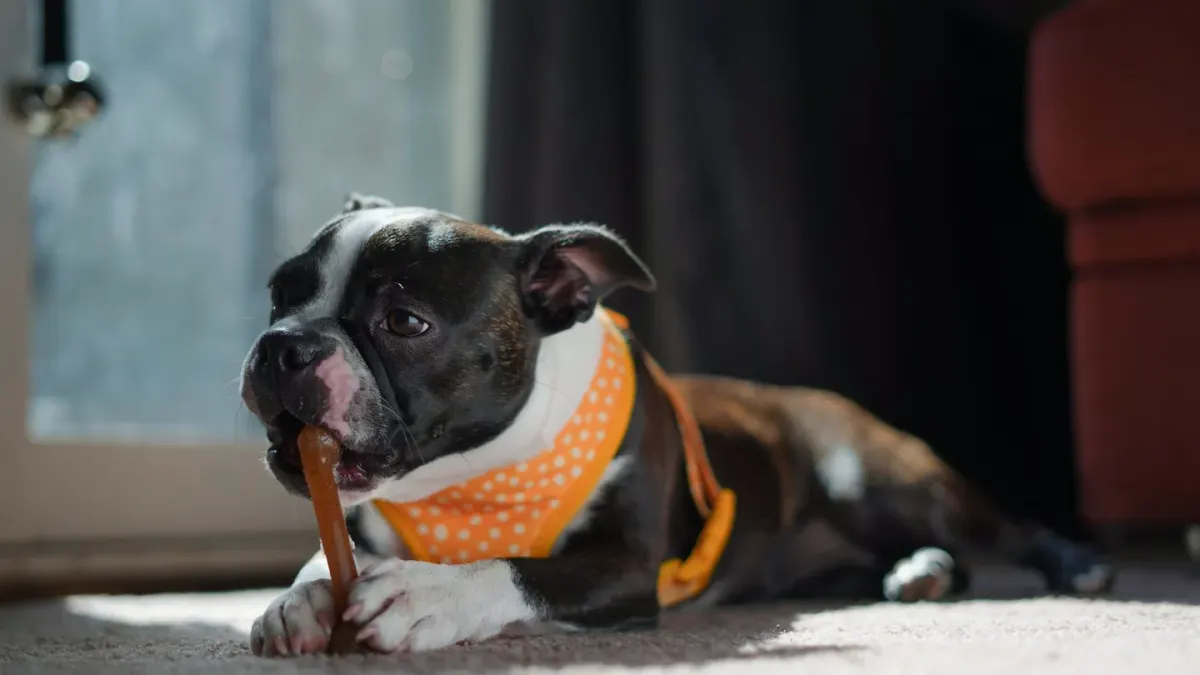
Is your puppy wild for five minutes, then wiped out on the rug. That cycle is normal. Growing joints do best with brief, controlled movement spread through the day, not one long workout.
Young bones have soft growth plates that close with age. Too much impact, slipping, or forced repetition can irritate those areas.
What counts as joint-friendly movement
Think low impact and self-chosen pace. Sniff walks on a loose leash, gentle play on grass or carpet, basic training, puzzle feeders, and calm social time build muscle without pounding joints. Muscle supports joints, and that support matters as dogs age and How Collagen Production Changes as Dogs Age explains how connective tissue changes over time.
Limit high-risk patterns until maturity. Skip long jogs, steep hill repeats, stairs as exercise, slick-floor fetch, and rough wrestling with much larger dogs. Wesley in Westminster learned this with Binky, a 5-month-old Weimaraner who wanted to sprint after every ball. Short tosses on grass with rest breaks kept her happy and less sore after play.
How much is enough on most days
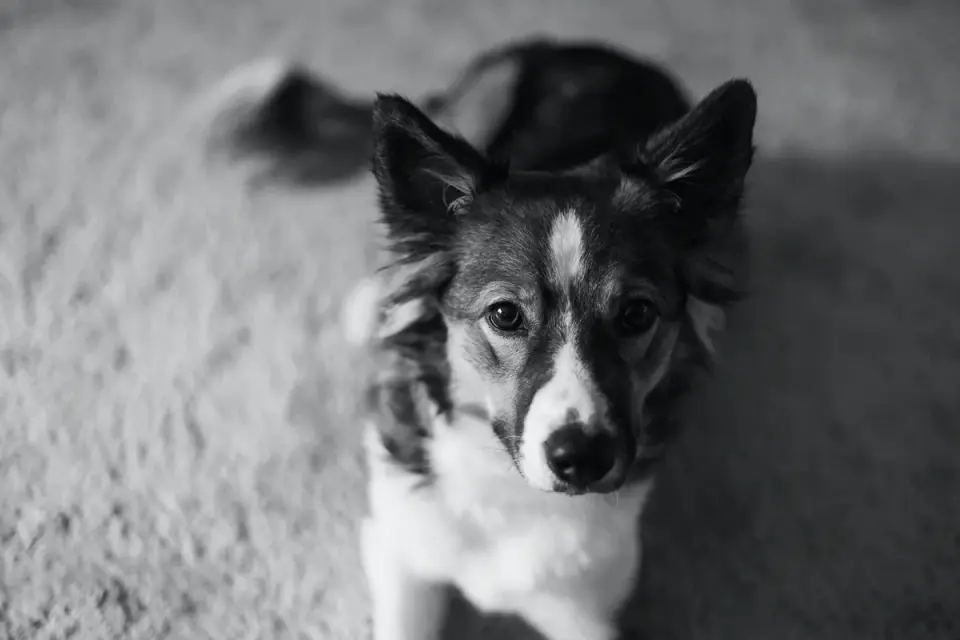
There is no single minute rule that fits every breed. Watch the puppy, not the clock. Start with several 5 to 10 minute outings, then add time slowly if the puppy stays loose, playful, and recovers fast. The American Veterinary Medical Association guidance reminds owners to increase exercise gradually and to favor regular moderate activity over sudden intense sessions.
Use my three-step check during play. First, watch the gait for skipping, stiffness, or sitting out. Second, listen for heavy panting that does not settle quickly. Third, check recovery after ten minutes of rest. A puppy that bounces back is in a good range. One owner, Robert in Tempe, used this with Howdy, his 7-month-old Husky, and found shorter evening walks plus training worked better than one long weekend hike.
Older puppies still need caution. Size, breed, and body condition change risk, and aging joints tell the same slow story you see in How Old Does a Dog Have to Be Before Signs of Aging Typically Start?
When to stop and call your veterinarian
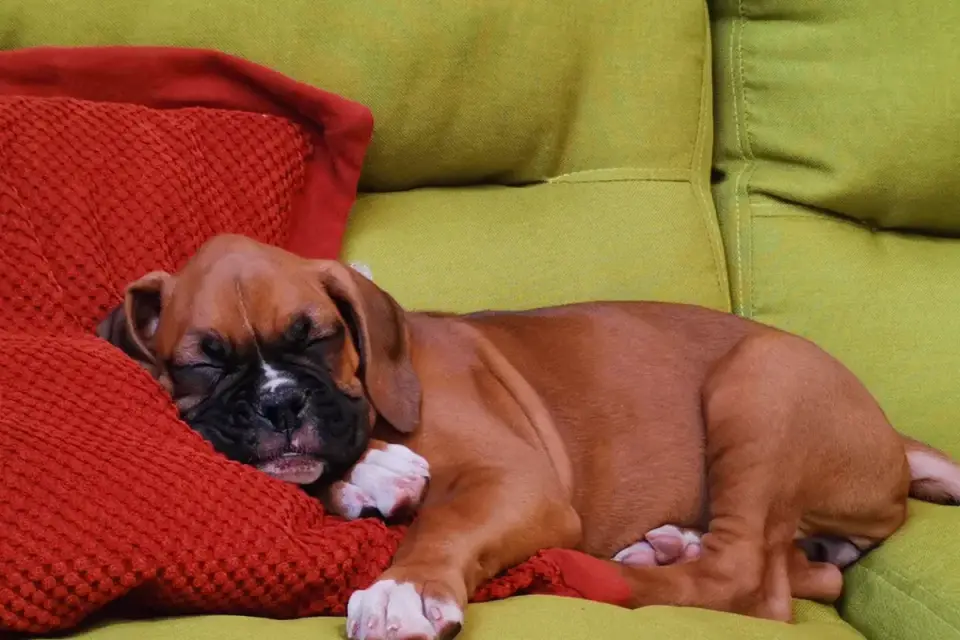
Stop the session if your puppy limps, cries, lags behind, lies down and will not continue, or seems sore the next morning. Rest, offer water, and keep the next day quiet. Contact your veterinarian the same day for persistent limping, swelling, a leg that will not bear weight, or pain after minor play. Those signs matter more than finishing a walk.
For daily structure, keep surfaces grippy, keep nails trimmed, avoid forced exercise after meals, and end while your puppy still wants a little more. That last good rep is the sign to build on tomorrow.
Frequently asked questions
Can I run with my puppy to tire them out?
Hold off on sustained running until your veterinarian says growth and joint risk look appropriate for your dog. Use sniff walks, training, and short play bursts instead.
Are stairs and jumping bad for puppy joints?
Treat them as skills to limit, not daily exercise. Carry small puppies on steep stairs when you can, use ramps, and keep jumping low and rare.
Sources
- Exercise for Pets — American Veterinary Medical Association