The dog who eats around the chew is not being stubborn, he is telling you the delivery needs to change before the routine does.

Does your dog unwrap the cheese, eat the peanut butter, and leave the chew perfectly intact on the floor. I see that pattern often, and it rarely means the dog cannot learn to take a supplement.
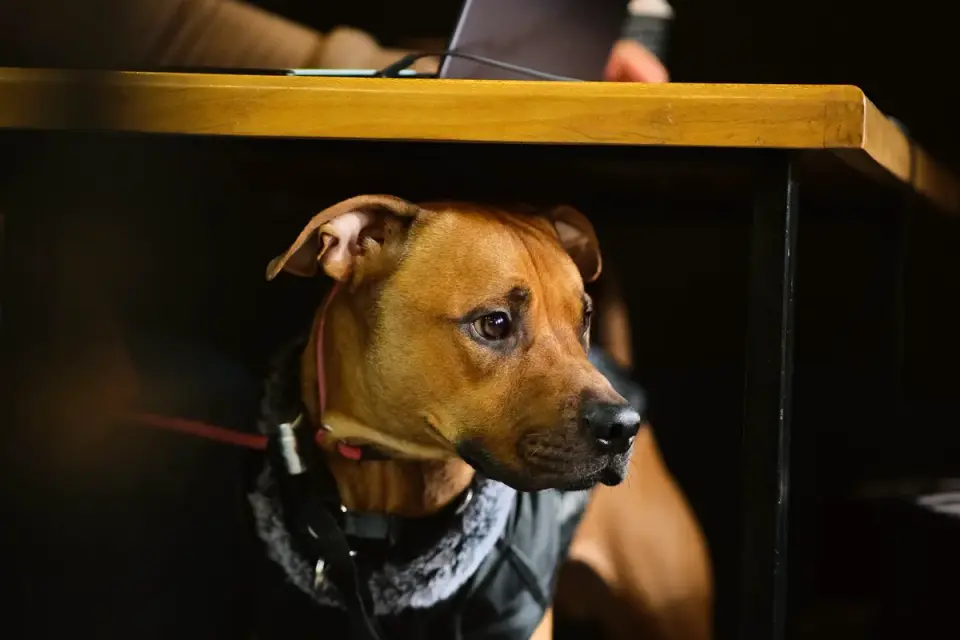
Last spring a client with a four-year-old, 52-pound pit bull mix came in frustrated before a long car ride to her parents. The dog had refused chews for nine nights in a row, would nose the treat pouch for 20 seconds, then walk away and bark at the door. She had tried crushing the chew into dinner, and he skipped the whole bowl. What she wanted was simple, a way to give one chew without a wrestling match the night before a six-hour drive.
That question shapes how I think about picky dogs. Smell, texture, and timing matter more than flavor claims.
Why hiding rarely works for long
Dogs learn quickly. One bitter bite teaches them to dissect the next treat. Crushing a chew into a full meal often backfires because the dog connects the odd taste with dinner and starts refusing dinner too.
Keep the chew separate from meals. Offer it when your dog is a little hungry, calm but not exhausted, usually 30 to 40 minutes before you need quiet. A short sniff walk first helps many dogs settle enough to chew.
If stress signs are new, severe, or include panting at rest, drooling, escape attempts, vomiting, or aggression, contact your veterinarian before trying another supplement routine.
What I try before I change products
I had a follow-up with a seven-year-old, 18-pound beagle who takes forever to eat. The owner had tried three tricks in four days, peanut butter coating, hot dog wraps, and breaking the chew into crumbs. Each time the dog licked the outside and left a damp pile. On day five she stopped wrapping and started training. She cut a soft chew into six pea-sized pieces, gave one plain piece between two tiny licks of plain canned pumpkin, then ended the session. After three evenings the dog took all six pieces in under two minutes without sorting.
That shift matters. Small pieces lower the odor load. A neutral chaser helps more than a strong cover.
Use the same idea from your own kitchen. Cut or tear the chew, offer one small piece as if it is a training treat, praise calm chewing, then offer the next. Keep sessions under three minutes. If your dog walks away, end it and try later rather than pressing.
Ingredients deserve the same clear-eyed view. Many calming formulas include botanicals such as chamomile and ashwagandha, and reviews in Biomedicines and Cureus describe much of that use as traditional or preclinical, with human reviews still sorting out effects on stress. That does not answer whether your dog will chew it, which is the problem in front of you today.
Texture decides a lot.
When the usual advice has to bend
Some dogs cannot do extra food wraps because of weight plans, pancreatitis history, or allergies. I remember a 10-month-old, 64-pound doodle on a strict elimination diet for itchy skin. The owner could not use cheese, commercial pill pockets, or mixed proteins for eight weeks. She taught a chin-rest on her palm, placed one small chew piece at the back of the tongue area only when the dog was still, then followed with a lick of the prescribed kibble soaked in warm water. The first week took four short sessions per day. By week three the dog held the rest position for 15 seconds and swallowed without sorting.
Ask your veterinarian for a technique check if your dog gags, coughs, paws at the mouth, or has a heart, airway, or swallowing condition. Some dogs do better with a different form entirely, and forcing it is never worth it.
You can also read related supplement context in Natural Food Sources of Quercetin for Dogs: What Actually Belongs in the Bowl and Can Dogs on Heart Medication Also Take CoQ10?, especially if your dog takes daily medication.
The three-step check I use in the clinic
I turn the worry into a short check. One, nose test. Offer a plain quarter piece with no wrapper. If the dog sniffs for more than five seconds and leaves, the smell or texture is the barrier. Two, size test. Cut the rest smaller and try two tiny pieces as training rewards away from the bowl. Three, timing test. Try again after a calm walk, not during fireworks, guests at the door, or a full stomach.
If all three fail for more than three days, or if anxiety is escalating, contact your veterinarian. Picky eating plus lip licking, yawning, pacing, or hiding can signal nausea, dental pain, or fear that needs direct care.
Watch for the sign that changes your next move. Calm chewing within two minutes means the method fits.
Frequently asked questions
Should I crush a calming chew into my dog's dinner?
I usually avoid it. A full bowl gives your dog more reason to sort and refuse food, and it can create a food aversion. Try tiny pieces separate from meals first.
What if my dog eats the wrapper and spits out the chew?
Stop wrapping for a few days. Offer pea-sized plain pieces as training treats, keep sessions short, and follow each swallowed piece with a familiar lick or praise.
When should I call the vet instead of trying another trick?
Contact your veterinarian if stress is sudden or severe, if your dog paws at the mouth, gags, vomits, refuses food, or if anxiety includes aggression or escape attempts.