To keep fish oil fresh for dogs, limit heat, air, and light from the first pour.

Does that fishy smell mean the oil still helps your dog, or has it already turned? That question comes up in almost every joint and skin visit, and the short answer is plain. Fresh fish oil smells mildly of the sea. Sharp, sour, or paint-like odor means oxidation has started, and I would not keep using it.
Oxidation is chemistry, not just age. Fish oil for dogs is rich in EPA and DHA, long-chain omega-3s with multiple double bonds. Those bonds react easily with oxygen, heat, and light to form peroxides, then aldehydes and ketones. The NIH Office of Dietary Supplements describes EPA and DHA as highly unsaturated fats that are prone to oxidation, which is why handling and storage change quality even before the printed date.
A 9-year-old, 68-pound Labrador mix started fish oil for stiff mornings. The owner bought a large pump bottle, left it beside the stove, and poured it over warm food twice daily for six weeks. By week five the oil smelled strongly sour, the dog sniffed the bowl and walked away on 4 of 7 nights, and the owner wondered if the dose was wrong. The dose was not the problem. Heat plus daily air exposure had aged the oil early, so we discarded it and reset with a smaller, dated bottle kept cool and closed.
Why heat, air, and light age oil faster than time
Time matters less than exposure. Every pump or open cap pulls in fresh oxygen. Warm kitchens speed peroxide formation. Clear bottles on counters add light damage. Refrigeration slows the reaction, but only if the cap is tight and the bottle is not left open during meals.
Buy size for how your dog actually finishes it. A small dog may take months to finish a 32-ounce bottle, which means months of oxygen exposure. A smaller bottle used within 30 to 60 days usually stays fresher than a bulk bottle saved for economy. Check the best-by date before you buy, then write the open date on the label with a marker.
The storage routine that actually preserves freshness
Keep unopened bottles cool, dark, and sealed. Once opened, most liquid oils do best refrigerated and tightly capped. Keep capsules in their original light-resistant container, away from humidity. The U.S. Food and Drug Administration advises storing pet foods and related products in cool, dry places and discarding anything that looks or smells off, which applies well to oils poured daily.
Pour fast and close fast. Do not leave the bottle open while the dog eats. Do not pour from the bottle directly over steaming food, because steam carries heat and moisture into the neck. Use a clean spoon or pump, wipe drips, and recap right away. Never top off a new bottle with leftover oil from an old one.
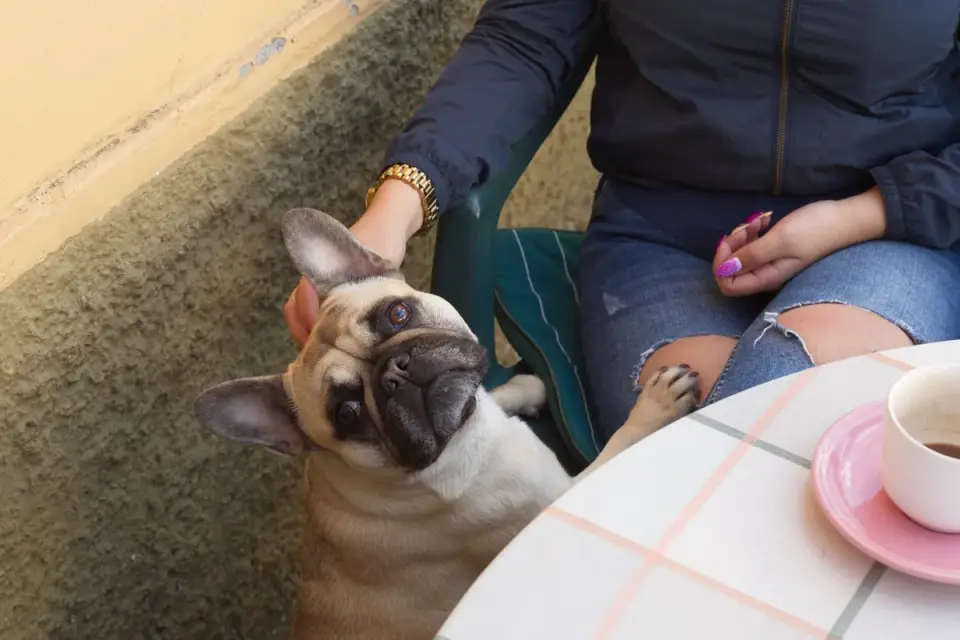
A 4-year-old, 24-pound French bulldog did well on capsules for two months, then the owner switched to a bulk liquid to save money. She decanted it into a clear squeeze bottle on the counter for convenience, and within 3 weeks the oil tasted bitter on a fingertip test and smelled like old paint. The dog licked once and quit breakfast twice that week. We threw out the decanted oil, returned to the original dark bottle kept refrigerated, and the feeding problem stopped. Convenience had cost freshness.
Capsules often stay fresh longer than liquids because each dose stays sealed until use. If you use liquid, look for dark, air-restrictive bottles or pumps that limit air return. Do not freeze and thaw a large bottle repeatedly. Temperature swings draw in moisture and can stress seals.
My three-step check before you pour
I use the same check for every oil in my exam room. First, look. The oil should be clear with normal color for the product, with no cloudiness, particles, or thick residue that was not there at opening. Second, smell. Expect mild fish or sea odor. Reject strong sour, rancid, metallic, or chemical notes. Third, track. If it has been open longer than the label directs, was left warm, or the smell changed from last week, discard it.
Contact your veterinarian promptly if your dog vomits repeatedly, has bloody diarrhea, refuses food for more than a day, or seems lethargic after a new or off-smelling oil. Bring the bottle, the open date, and how you stored it. That detail helps separate simple taste refusal from a reaction that needs care.
A 13-year-old, 41-pound border collie mix with early mobility stiffness shows where advice has to bend. She eats only warmed wet food, and her owner stored capsules in a bathroom cabinet where showers raised humidity. After 48 days the capsules stuck together and smelled strong when pierced. We kept the warming routine because she would not eat otherwise, but changed storage completely. New capsules stayed in a bedroom drawer in the original container, the owner pierced one capsule at a time over cooled food, and she finished 14 of 14 evening meals the next two weeks without the sour odor returning.
Related reading on aging and daily support includes How to Keep an Aging Dog’s Brain Active and Engaged and How Collagen Production Changes as Dogs Age.
My position is simple. Freshness is decided at the counter, not at checkout. A smaller bottle, refrigerated and recapped quickly, beats a premium oil left warm and open. Evidence that would change my mind would be controlled data showing oxidized home oils retain benefit and palatability in dogs. Current chemistry and handling guidance point the other way.
Watch the bowl tomorrow. A dog that suddenly sniffs and steps back from oil it once accepted is telling you to check the bottle first.
Frequently asked questions
Should fish oil for dogs be refrigerated after opening?
In most homes, yes. Refrigeration slows oxidation, but the cap must stay tight and the bottle should be closed quickly after pouring. Follow the label if it gives specific storage directions.
How can I tell if fish oil has gone rancid?
Use look, smell, and history. Discard oil that smells sharply sour, paint-like, or metallic, looks cloudy or changed, or has been open past the label period or stored warm.
Do capsules stay fresh longer than liquid fish oil?
Often they do, because each dose stays sealed from air until use. Store capsules in the original container away from heat and humidity, and discard capsules that stick, leak, or smell strong when opened.
Sources
- Omega-3 Fatty Acids Fact Sheet for Health Professionals — NIH Office of Dietary Supplements
- Tips for Safe Handling of Pet Food and Treats — U.S. Food and Drug Administration