A nervous dog does better with a practiced routine than with anything you give the morning of the visit.
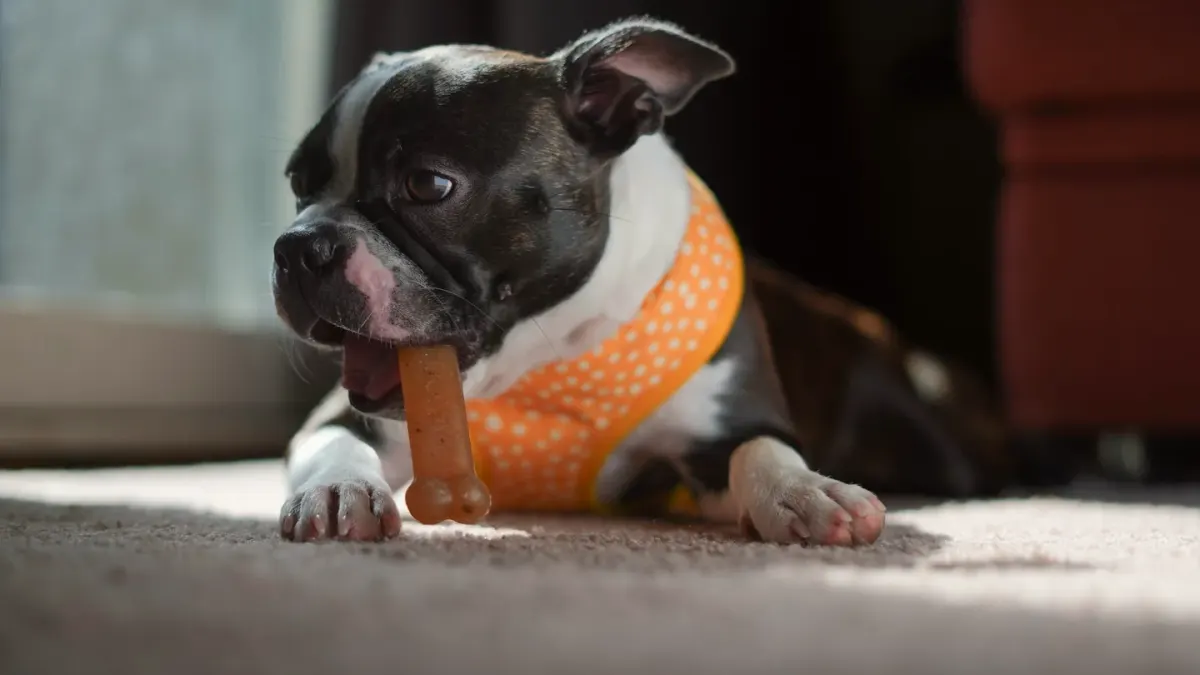
A nervous dog does better with a practiced routine than with anything you give the morning of the visit.
Parking-lot panting, freezing at the doorway, and refusing treats are common early signs the clinic already feels overwhelming.
If your dog shakes, pants, or shuts down at the clinic, use this quick checklist first:
- Before: one short practice car ride, a familiar mat or blanket, and pea-sized soft treats in a pouch
- During: ask for a quiet waiting option, keep the leash loose, and reward small calm moments
- After: keep the evening quiet, watch appetite and energy, and contact your veterinarian if fear lasts past 24 hours
That list covers most nervous visits. The detail below explains why each part helps.
Fear starts before the exam room
Dogs learn places fast. The car, the lobby smell, the slippery floor, and the wait stack up before anyone touches your dog. By the time the exam starts, many nervous dogs are already over threshold.
Vets often see the same pattern in anxious dogs. Albert in Richmond noticed it with Tommie, his 7-year-old neutered male Miniature Dachshund. Tommie would pant in the parking lot and freeze at the door. Two 10-minute happy visits for weigh-in and treats, with no exam, made the next real visit easier than anything given that morning.
Training beats chemistry on exam day.
Practice the parts you can control
Keep preparation boring and predictable. A normal walk, normal dinner, and a bag with treats, a chew, and a familiar mat work well for most dogs.
Practice one rep at home. Walk to the car, reward, sit for one minute, then go back inside. For dogs that hate the waiting room, call ahead and ask about waiting in the car or in a quiet corner. Many clinics now list Fear Free approaches for scheduling, waiting, and gentle handling.
Bring high-value treats in pea-sized pieces. Shredded chicken, cheese, or a lick tube works for many dogs. If your clinic uses many treats, ask how much dinner to hold back so your dog stays hungry enough to take them.
Senior dogs may need extra support on slick floors and long stands. If steadiness is part of the stress, read Why Does an Old Dog Seem Less Steady on His Feet Lately? before you plan handling, and consider timing around when aging changes often appear in How Old Does a Dog Have to Be Before Signs of Aging Typically Start?.
Where calming ingredients fit and where they stop
This is where I stay direct. Calming products get much attention, but vet-visit stress is hard to erase with a chew given an hour before.
L-theanine is an amino acid found in tea that has been studied for its calming properties. Chamomile and Valerian Root have been used in traditional herbal care to support relaxation. The National Center for Complementary and Integrative Health notes valerian is often used for sleep and relaxation, with mixed research results in people. None of that equals reliable protection against a full exam in dogs.
If you want to try a calming product, treat it as background support, not a rescue plan. Pick one with a clear label, give it exactly as directed for the trial period on the label, and judge it by one observable sign.
My three-step check for the next visit
Translate the worry into action with three questions.
- What is the trigger. Entry, waiting, table, needles, or handling of ears and paws. Write down the exact point where panting or freezing starts.
- What can change. A car wait, a mat on the scale, fewer people in the room, treats during the exam, or a pause between procedures. Ask for one change at a time.
- What tells you to call. Hiding for hours, skipped dinner, vomiting, diarrhea, limping after handling, or fear that lasts past the next day means you contact your veterinarian rather than waiting it out.
Watch entry behavior next time. Easier entry, softer body language, and taking treats sooner mean the plan is working.
Frequently asked questions
Should I feed my nervous dog before the vet visit?
Feed normally unless your clinic asks you to hold food so your dog will take treats. Bring small, soft treats and ask how much dinner to reduce if many treats will be used.
When should I call the vet about fear after a visit?
Contact your veterinarian if hiding, clinginess, appetite loss, vomiting, diarrhea, or low energy lasts past 24 hours, or if you see pain, limping, or breathing changes.
Sources
- Fear Free Directory and Resources — Fear Free
- Valerian — National Center for Complementary and Integrative Health