Use a low-angle ramp for sore, wobbly dogs, and wide shallow stairs only when your dog still climbs confidently.
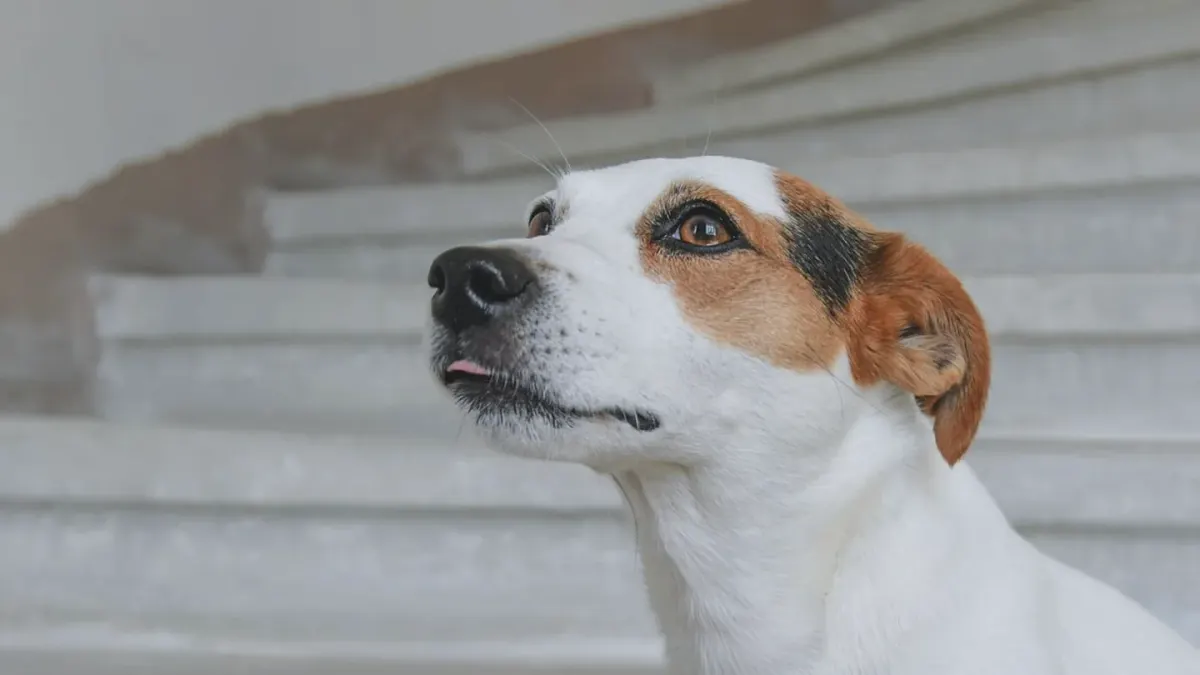
Is your dog hesitating at the couch, car, or porch steps? That pause means jumping hurts, and a ramp or the right stairs can take that impact away.
Watch how your dog moves first. Stiffness after rest, slipping on one step, bunny-hopping, lagging on walks, or crying when lifted all point to joint pain. Check three things today: where hesitation happens, which legs look stiff, and whether pain, weakness, or shortness of breath is driving it. Older dogs often show these changes around the ages described in How Old Does a Dog Have to Be Before Signs of Aging Typically Start?. Call your veterinarian promptly for sudden inability to walk, dragging knuckles, collapse, heavy panting at rest, or a swollen painful joint.
Pick a ramp for pain, slipping, or weak back legs
Ramps keep the body level and remove the push-off that hurts arthritic hips, knees, and elbows. Use a ramp when your dog slips between stair treads, sags in the rear, needs help into the car, or has had knee or back surgery.
Gary in Mesquite, Texas noticed his 9-year-old intact male French Bulldog, Astor, would stand at the couch and bark rather than jump. The observable change was that pause plus stiff rear legs for the first minute after naps. A low ramp with a resting platform worked better than lifting, because Astor would still try to launch himself from Gary’s arms.
Set the angle low. For furniture, aim near 18 to 25 degrees. For a car or high bed, longer is kinder. Choose a wide, non-slip surface with raised edges, a 150 to 200 pound rating for large dogs, and rubber feet that do not slide on wood or tile. Carpet, sandpaper tread, or ribbed rubber beats bare plastic or plywood. Lock folding ramps open every time.
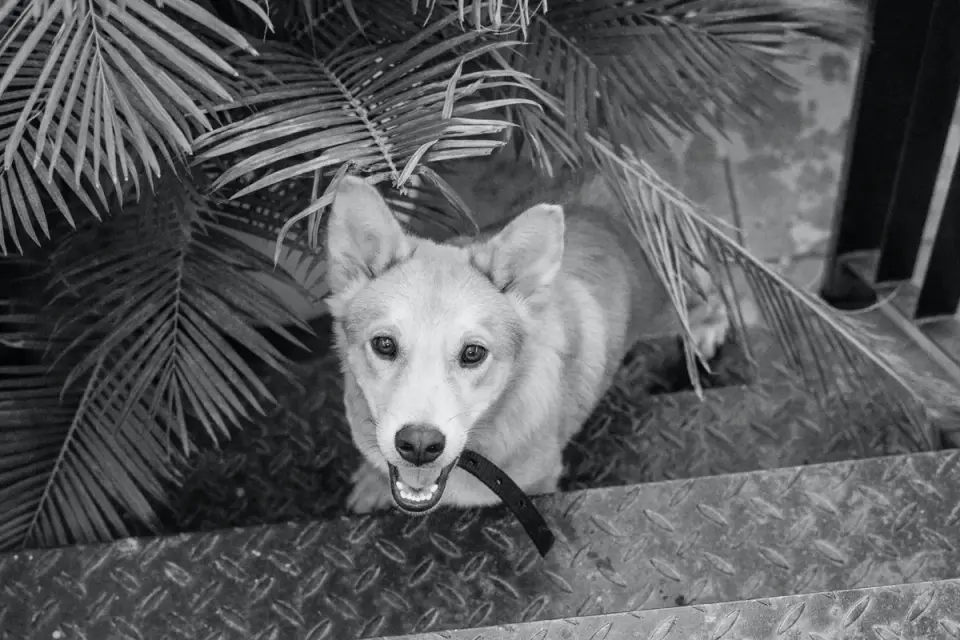
Keep stairs only when climbing still looks easy
Stairs fit dogs that still climb with steady rhythm and only need fewer, easier steps. Pick indoor pet stairs with wide, deep treads, low rise, high sides for confidence, and a non-slip cover you can wash. Three wide steps to a couch beat four narrow ones. Place the top step flush with the cushion so there is no gap to jump.
Block steep house stairs with a gate when your dog stumbles, misses steps, or slides going down. Downhill loads the front legs and shoulders. Many owners keep upstairs off-limits and set up water, bed, and a potty route on one floor during a flare. That single-floor setup also helps keep an older dog mentally active without extra climbing, as in How to Keep an Aging Dog’s Brain Active and Engaged.
Train the new route in short sessions
Start flat. Lay the ramp on the floor, let your dog sniff it, and feed treats for any paw on it. Raise one end to a low book, then to the couch over two to three days. Keep the leash loose. Lure slowly with a treat at nose height, one step at a time. Keep sessions under five minutes.
For stairs, guide with a hand on the harness, not the collar. Reward calm feet on each tread. Add a non-slip runner if nails click and slide. Wipe muddy paws, trim long nails, and keep hair between pads short for grip. If your dog freezes, barks, backs up, or tries to jump off the side, lower the height and rebuild confidence. Pain that persists despite an easier route needs a veterinary exam, not more practice.
Make landings safe and know when to call
Anchor everything. Put a yoga mat or rug at the top and bottom. Leave lights on at night. For cars, park close to the curb to lower the angle, open the ramp fully, and stand beside it as a rail. A harness with a handle helps you steady the hips without pulling up by the legs.
The VCA Hospitals arthritis guide lists ramps, non-slip flooring, and controlled exercise as practical supports for dogs with arthritis, alongside veterinary care for diagnosis and pain control. Joint tissues also change with age, which you can read about in How Collagen Production Changes as Dogs Age.
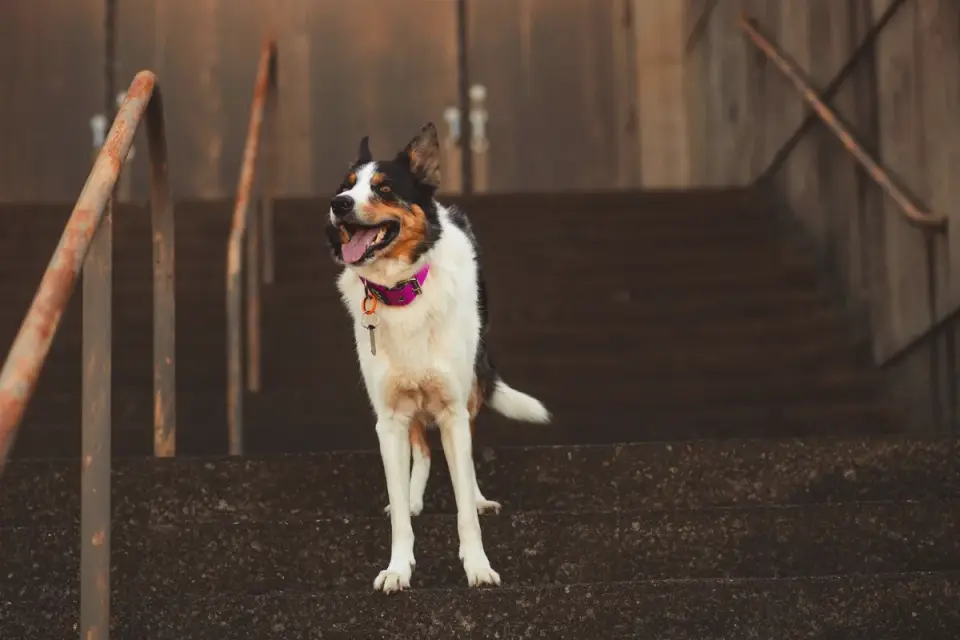
Recheck weekly. The setup is working when hesitation fades, climbing looks rhythmic, and your dog chooses the ramp without coaxing. Change course when you see new limping, more lying around, trouble rising, slipping despite tread, or shortness of breath. Those signs should move the next step from training back to your veterinarian.
Frequently asked questions
Are ramps or stairs better for a dog with arthritis?
Ramps are usually kinder because they remove jumping and steep push-off. Keep stairs only if your dog still climbs with steady, pain-free rhythm on wide, shallow, non-slip treads.
How do I get my dog to use a ramp?
Start with the ramp flat on the floor, reward any step on it, then raise it gradually over a few days with short, calm sessions and treats at nose height.
Sources
- Arthritis in Dogs — VCA Hospitals