Some important safety tips for pets start with securing food, toxins, and exits, then adjusting for your dog's age.

Does your dog nose through trash, chew wrappers, or slip out doors. That pattern is common, and it points to where to start. Most household emergencies I talk about come from a short list: food and medications left in reach, cleaning products and plants, choking and strangulation risks, falls and open doors, and heat or cold without a safe resting place. Fix those first. Gadgets help later, but they do not replace the basics.
Lock up food, medications, and trash
Start in the kitchen. Grapes, raisins, chocolate, xylitol in sugar-free gum and peanut butter, onion, garlic, alcohol, and high-fat scraps can all cause trouble, and medications are a top reason for urgent calls. Use closed cabinets with latches, keep purses and pill organizers off low tables, and use a trash can with a locking lid.
The ASPCA poison-control center lists common foods, plants, and household products that send pets in, which is a useful room-by-room checklist. If you think your dog ate something toxic, note what it was, how much, and when, then call your veterinarian or poison control right away. Do not wait for vomiting or diarrhea to decide.
For nutrition questions that come up while you pet-proof the pantry, keep the focus on balanced basics first. You can read more in Taurine for Dogs: Benefits, the DCM Question, and When to Actually Worry and How Collagen Production Changes as Dogs Age.
Clear cleaners, plants, and small chew risks
Laundry pods, toilet-bowl cleaners, rodent bait, antifreeze, and essential-oil diffusers belong behind closed doors. Rinse mops and bowls after use, and store dryer sheets and batteries where a curious mouth cannot reach them.
Walk your home at dog-eye level. Move lilies, sago palm, and other risky plants up or out, tie up blind cords, pick up socks, hair ties, bones, and toy pieces, and put string toys away after play. My three-step check is simple: what can be swallowed, what can strangle, what can poison. If an item fits one list, move it.
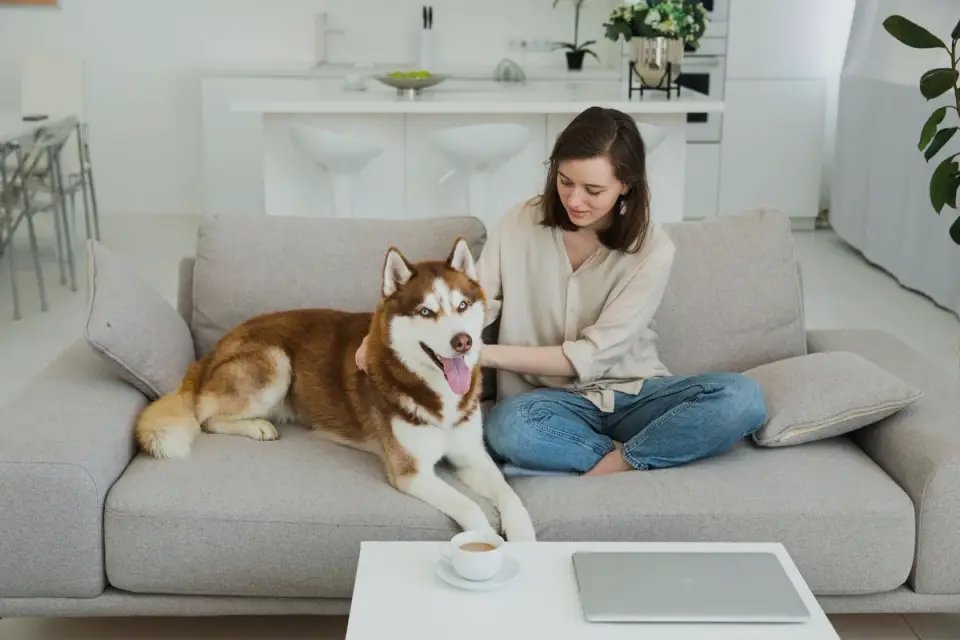
Make doors, stairs, and alone time safer
Many lost-dog stories start with an open door, a loose leash, or a fence gap. Check that collars and harnesses fit with two fingers of room, keep ID tags and microchip details current, and use baby gates at stairs and entryways for puppies, seniors, and wobbly dogs. Put a handle harness or rug runners on slick floors if your dog slips.
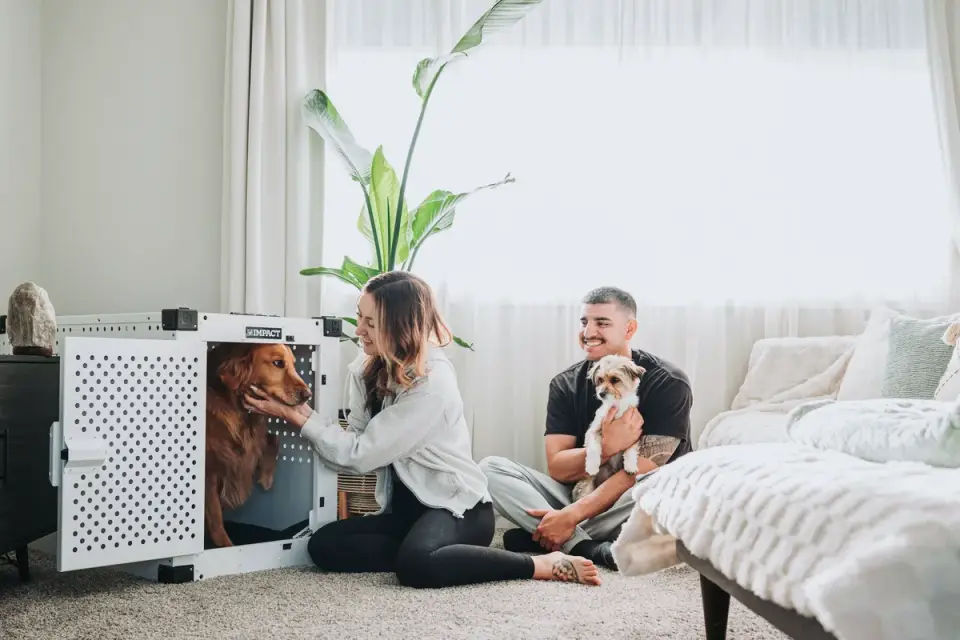
When you leave, give water, a safe resting spot, and one or two sturdy toys, not a pile of shreddable items. Crates help some dogs rest, but only when introduced slowly and never as punishment. For puppies and seniors, short absences with a camera check work better than a long day alone on the first try.
Watch temperature, water, and daily routine
Heat builds fast indoors and in cars. Never leave a dog in a parked car, keep walks to cooler hours in summer, and offer shade and fresh water. In winter, wipe salt from paws, dry damp coats, and keep bedding away from space heaters and cords. The AVMA household-hazards guidance covers seasonal and indoor risks like heat, cords, and unsecured windows, which pairs well with a daily routine check.
End with the sign that should change your plan. Normal means eating, drinking, breathing easily, and moving without pain. Call your veterinarian promptly for repeated vomiting, pale gums, labored breathing, collapse, seizures, bleeding that will not stop, or a swollen, painful belly. Keep your vet number, an emergency clinic number, and vaccine records where any sitter can find them.
Frequently asked questions
What room should I pet-proof first?
Start with the kitchen, then laundry and garage. Secure food, medications, trash, cleaners, and chemicals before buying new gear.
When should I call the vet instead of watching at home?
Call promptly for suspected toxin intake, repeated vomiting, labored breathing, pale gums, collapse, seizures, uncontrolled bleeding, or a painful swollen belly.
Sources
- Animal Poison Control — ASPCA
- Household Hazards — AVMA