When dogs' paws look red and he keeps licking, check allergies, moisture, and infection first.
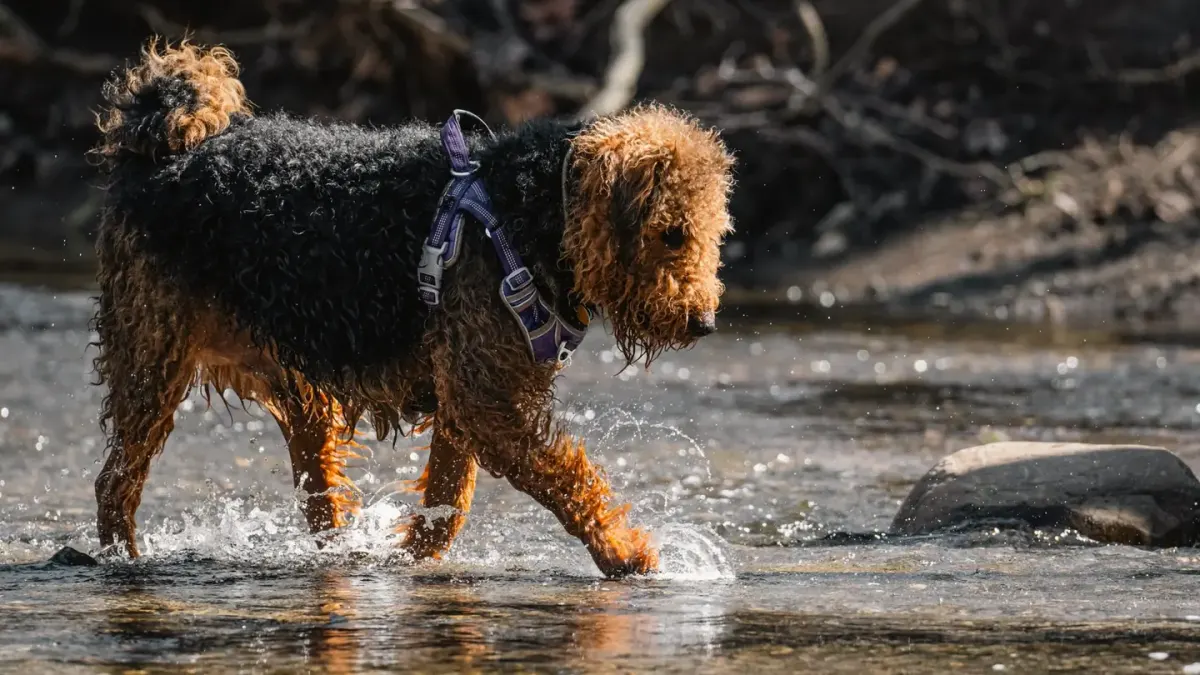
Shirley noticed her 5-year-old Goldendoodle Chaka licking her front paws every evening in Murfreesboro, Tennessee. The fur between the toes had turned pink-red over about 10 days, and the paws stayed damp long after their half-mile walk.
Is that just dry skin. No. Redness plus repeated licking is a symptom pattern that points to an underlying trigger, most often allergy-related inflammation, trapped moisture, or secondary infection.
Vets often see this same cycle in allergic dogs. Itch makes the dog lick, licking keeps the skin wet, and wet skin grows yeast and bacteria more easily. Breaking that loop matters more than drying or washing alone.

Red paws are itch made visible
Paw licking in dogs is commonly linked to allergic skin disease, including environmental allergies and food sensitivity. That background is described by VCA Hospitals, which notes that dogs with allergies often chew or lick the paws, and the face, ears, and belly are other typical itch zones.
Look closely between the toes and paw pads. Early signs are pink skin, damp fur, brownish saliva staining on light coats, and a musty or sour odor. Swelling, sores, limping, hair loss, or yellow-green discharge point more toward infection or a foreign body and deserve prompt veterinary care.
Allergies are not the only trigger. Contact irritation from road salt or lawn chemicals, a thorn or foxtail, a cracked nail, or anxiety-related licking can look similar at first. Pattern helps. Both front paws, seasonal flare-ups, and ear or belly itch favor allergy. One suddenly painful paw favors injury.
Why moisture and infection keep it going
Constant licking is both a clue and a cause. Saliva macerates the skin barrier, and warm spaces between the toes then hold moisture after baths, rain, or dewy grass.
That persistent itch-scratch-lick cycle is also outlined by Merck Veterinary Manual, which explains that pruritus in dogs has many causes and that ongoing self-trauma can lead to secondary skin damage and infection.
Do not start with frequent medicated baths, paw balms, or home soaks. Added water and fragrance can worsen maceration, and licking off topical products can irritate the stomach. Rinse only after a known exposure, such as salt or fertilizer, then pat fully dry.
Dogs with recurring paw issues sometimes have sensitive skin elsewhere too, so broader skin health context helps. Related reading on How Collagen Production Changes as Dogs Age and How Old Does a Dog Have to Be Before Signs of Aging Typically Start? explains why older dogs may heal more slowly once the skin barrier is damaged.
The three-part check to do today
Keep this simple and observable. Check all four paws in good light, then write down what you find to share with your veterinarian.
First, look for timing and spread. Note when licking started, whether it is one paw or several, and whether ears, belly, or face itch too. Seasonal or multi-paw itch leans allergic. Single-paw pain, swelling, or bleeding leans injury.
Next, control moisture without over-washing. Dry paws after walks and rain, trim matted fur around the toes if your veterinarian or groomer has shown you how, and use an Elizabethan collar short term to prevent further chewing if the skin is raw. Avoid bitter sprays on broken skin.
Then, decide on timing for care. Contact a veterinarian promptly for limping, open sores, strong odor, swelling between the toes, or licking that continues beyond two to three days despite rest and drying. Bring your notes on diet, flea prevention, detergents, and recent yard or trail exposures. Nutrition and routine also affect recovery, which is why consistent feeding and activity context from How to Keep an Aging Dog’s Brain Active and Engaged can be useful background at the visit.
That red tint fading and the dog resting through the evening without licking is the sign the plan is working.
Frequently asked questions
Should I soak red paws in salt water or vinegar?
Skip home soaks unless your veterinarian directs one. Extra moisture can worsen irritation, and vinegar burns broken skin. Rinse after chemical exposure, pat dry, and prevent further licking.
How do I know if licking paws is allergies or infection?
Allergies often affect multiple paws with itch elsewhere and a seasonal pattern. Infection adds odor, swelling, discharge, or sores. When those infection signs appear, or licking lasts more than a few days, contact your veterinarian.
Sources
- Allergy – General in Dogs — VCA Hospitals