A pitbull is considered old around 7 to 8 years, so start senior checkups before slowing is obvious.
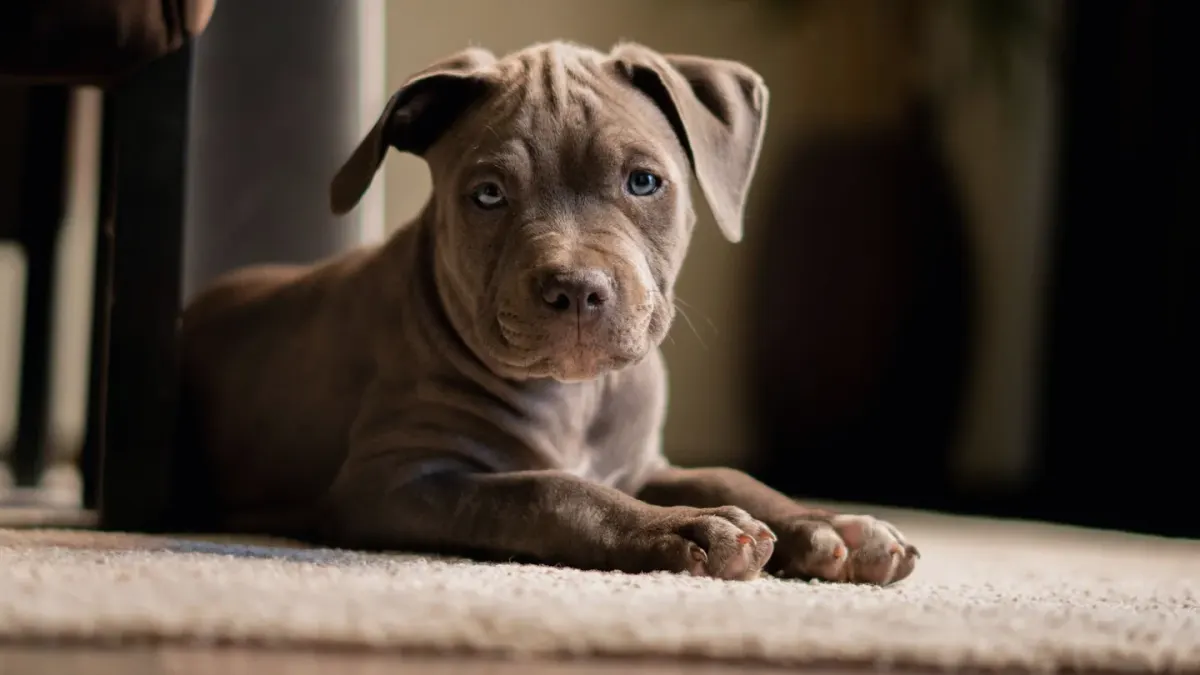
Does your pitbull still sprint like a puppy at 7. That energy fools a lot of owners. I see it on the clinic floor. The body starts to need senior care before the attitude slows down.
Most pitbull-type dogs are considered senior around 7 to 8 years old. They are medium-large, muscular dogs, usually 30 to 60 pounds, with a lifespan around 12 to 14 years. Size is what moves the window. The American Veterinary Medical Association notes that dogs enter senior life at different ages by size, and medium-large dogs shift earlier than small breeds.
Watch for gray coming in around the muzzle. And watch for slower recovery after hard play.
How age works for a pitbull
Think in life stages, not just birthdays. Puppy and adolescent until about 18 months. Adult from 2 to 6. Senior transition from 7 onward. Geriatric is usually 11 and up for this size.
Your dog does not suddenly become old overnight. Joints, muscle, teeth, and metabolism change gradually. That is why I suggest planning senior checkups at 7, even if fetch still looks perfect.
If you want background on general timing, read How Old Does a Dog Have to Be Before Signs of Aging Typically Start? and How Collagen Production Changes as Dogs Age.
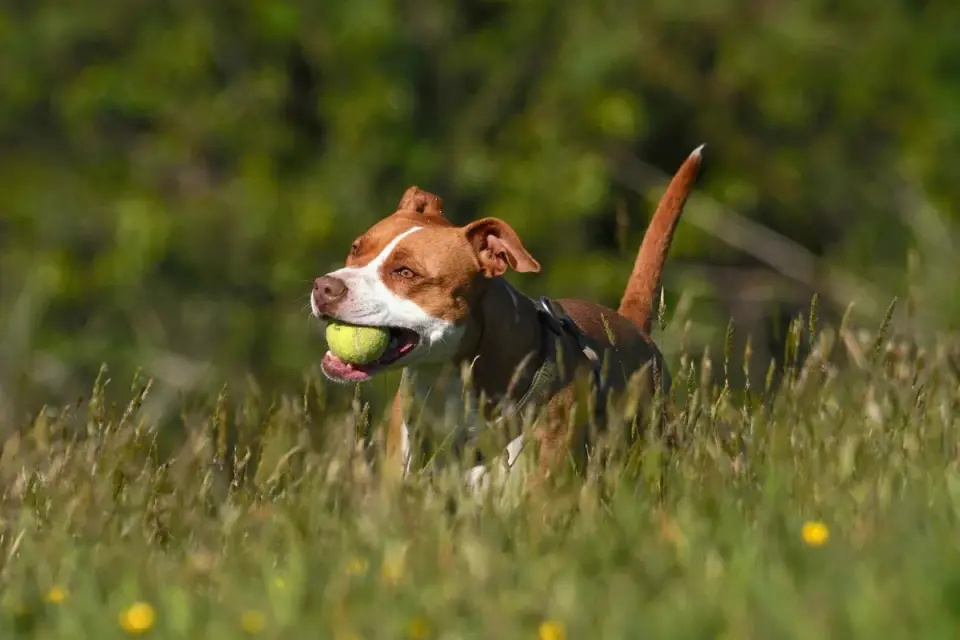
7 early signs I watch for
- Longer warm-up time. Stiff for the first few minutes, then moves fine.
- Less bounce after exercise. Tired the next morning after a long run.
- Gray muzzle and thinner coat. You can see the gray coming in around the muzzle.
- More naps, lighter play. Still happy, just quits sooner.
- Weight shifts. Losing muscle over the hips, gaining around the ribs.
- Dental buildup or bad breath. Many owners put off dental work because age made them hesitate. Ask your vet instead of waiting.
- Slower on stairs or jumping in. Chooses the ramp or hesitates before the couch.
One sign alone can mean a bad day. Two or three that last more than two weeks deserve a visit.
My three-step check at home
First, watch movement. Time how long morning stiffness lasts. Under five minutes that fades with walking is often early change. Limping, head bob, or refusing stairs is a prompt to call.
Second, feel body condition. Ribs should be easy to feel with light cover. Hip bones sticking out with a belly means muscle loss, not just weight loss. Track weight monthly after age 7.
Third, review daily life. Sleep, appetite, thirst, bathroom habits, and night restlessness. Note what changed and when. Bring that list to the visit. It saves time and catches patterns.
Contact your veterinarian sooner if you see sudden lameness, heavy panting at rest, collapse, pale gums, rapid weight loss, drinking much more water, or confusion at night.
How to adjust exercise before obvious slowing
Keep daily walks. Shorten the hard parts. Many owners tell me, I have kept a daily walking routine with my dog into her senior years. That routine works.
Trade one long run for two moderate walks. Add five minutes of warm-up sniffing. Keep fetch low and short on grass, not concrete. Add balance and strength twice a week. Slow sit-to-stands, short hill walks, and controlled tug.
Watch recovery. If your dog is still tired the next day, you did too much. Cut intensity by one-third and build back slowly. Keep nails short and weight lean. Extra pounds show up fast in pitbull knees and ankles.
What vet care should change at 7 to 8
Move to twice-yearly exams. Senior bloodwork and urine testing give a baseline while your dog looks healthy. Dental checks matter. So do blood pressure, eyes, lumps, and joint exams.
VCA Hospitals outlines a similar senior approach for older dogs, with more frequent exams, weight control, and joint, dental, and behavior monitoring as age advances.
Ask three questions at the visit. Is weight and muscle stable. Are teeth and pain controlled. Is preventive care current for this age. Then set the next recheck date before you leave.
Food and supplements come up here. I hear, I added supplements while also paying attention to their food and weight. That order is right. Start with complete adult or senior diet, measured meals, and lean condition. Add joint or aging products only with your vet, based on exam findings. Evidence varies by product, and dosing is not one-size-fits-all.
The sign that should change your next action is simple. If play, stairs, or morning movement stays different for two weeks, book the senior visit. Do not wait for a big slowdown.
Frequently asked questions
What age is considered old for a pitbull?
Most pitbull-type dogs are considered senior at 7 to 8 years old. Plan twice-yearly exams then, even if energy still looks young.
How long do pitbulls usually live?
Many live 12 to 14 years with preventive care, lean weight, dental care, and early treatment of joint and skin issues. Individual health and size vary.
Should I exercise a senior pitbull less?
Keep daily movement but lower impact. Shorter, more frequent walks plus strength work beats one hard run, and cut back if next-day soreness appears.
Sources
- Senior Pets — American Veterinary Medical Association
- Senior Dog Care — VCA Hospitals