Nothing you feed will make urine lawn-safe, so water the spot well and call your vet if thirst or peeing habits change.
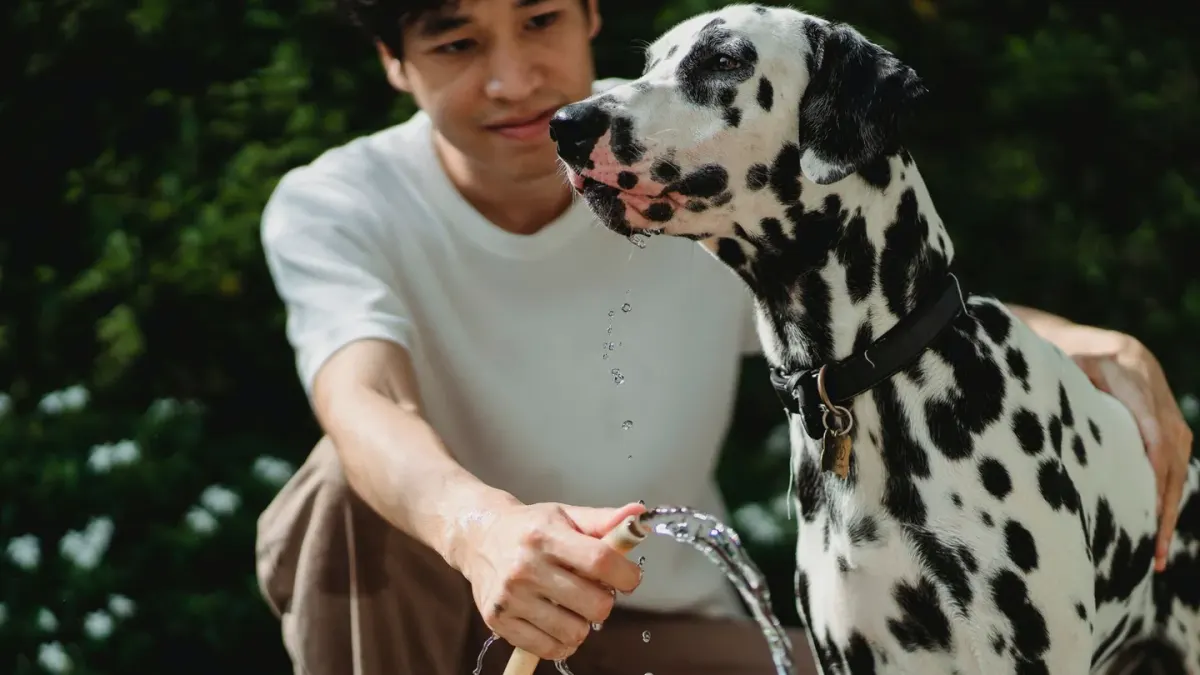
Did you find a yellow spot this morning and wonder what to add to the bowl to fix it. The short answer is nothing in food makes urine neutral for grass.
I get this question when the lawn greens up and every pee spot shows. Owners want a chew, powder, or pH trick. That urge makes sense, and diet is the wrong lever.
Why food cannot make urine lawn-safe
explains that dog urine damage comes from concentrated nitrogen salts, and watering the area is the practical way to reduce it.
Changing pH does not remove nitrogen. It can shift stone risk in some dogs, which is why urinary diets are prescription tools, not lawn tools. VCA Hospitals notes that urine pH and concentration are medical clues, read alongside drinking, frequency, color, odor, and lab work.
Products sold to neutralize urine often add methionine, yucca, or extra salts. They do not make urine harmless to turf. Some can irritate the stomach or change thirst. Others push water balance in the wrong direction for older dogs or dogs with kidney or heart issues, the same group we watch closely in articles like Why Does an Old Dog Seem Less Steady on His Feet Lately? and How Old Does a Dog Have to Be Before Signs of Aging Typically Start?.
Rhonda in Santa Clarita asked about her 5-year-old neutered male Cavapoo, Nash, because his morning spots looked worse than evening spots. First pee of the day is more concentrated. That pattern points to watering and routine, not a supplement.
What helps the grass instead
Think spot care, not urine chemistry. Take Nash out to different areas of the yard when you can. Keep a watering can by the door.
Rinse each fresh spot with a generous pour of water. This dilutes nitrogen where it landed. Mow a little higher and water the lawn deeply and less often, per local turf guidance.
Give free access to fresh water unless your vet has set a different plan. Do not restrict water to dilute urine. Dogs on heart treatment need steady routines too, as discussed in Can Dogs on Heart Medication Also Take CoQ10?.
Skip baking soda, vinegar, tomato juice, and extra salt in food. They do not protect grass and can upset digestion or thirst. If you use lawn fertilizer or weed products, keep dogs off until dry and follow label directions.
When a change in peeing needs a vet
A lawn spot is a yard issue. A new pee pattern is a health clue. Call your vet promptly for straining, crying to pee, very frequent small pees, blood, strong odor, leaking in sleep, drinking much more or less, low energy, vomiting, or no urine for many hours.
Bring what you noticed today. Time of change, number of trips outside, color, stream strength, accidents, appetite, water intake, and any new food, treats, or medications. A simple urinalysis often comes first. Senior dogs may need blood work and blood pressure checks alongside it, similar to the steady monitoring described in Bacopa Monnieri for a Senior Dog’s Memory and Focus.
Watch for the sign that should change your next action. Green grass with the same normal pee routine means keep rinsing. Brown spots plus more drinking, more peeing, or straining means stop shopping for urine chews and book the visit.
Sources
- Urinalysis — VCA Hospitals