Healthy anal glands are designed to empty with every firm stool, not on a grooming schedule.

A common question is whether skipping a gland expression will cause a problem. For most dogs, the answer is no problem at all.
These two small sacs sit just inside the anus and release a strong-smelling fluid during defecation. Firm stool presses against them, the ducts clear, and life goes on. That self-emptying design is why many dogs go their whole lives without manual help.
Vets often see worry start after a grooming visit. A dog gets expressed “just in case,” then scoots a week later, and the owner assumes the glands fill fast. In practice, irritation from repeated expression can mimic fullness.
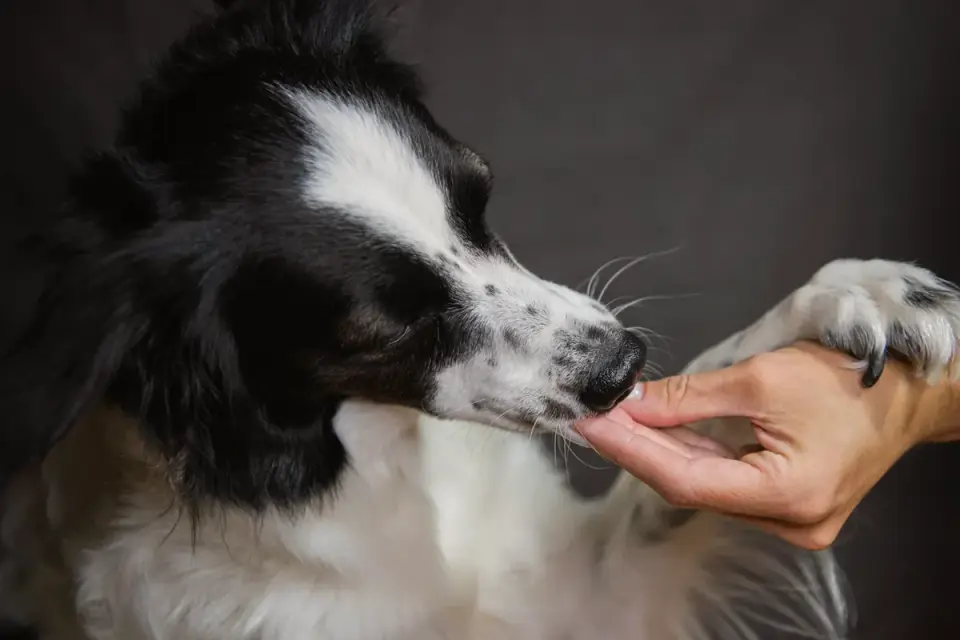
Most healthy glands empty themselves
Bulk in the stool does most of the work. Dogs eating enough fiber and drinking normal amounts of water tend to pass formed stools that compress the sacs. Soft or small stools do less pressing, which helps explain why diet change, weight gain, and low activity show up alongside gland issues.
That does not mean every dog is safe to ignore. Small breeds, dogs with allergies and skin disease, dogs with chronic soft stool, and dogs with prior impaction are more likely to retain material. For them, watching matters more than squeezing on a calendar.
The Merck Veterinary Manual describes the progression from retained secretion to impaction, inflammation, abscess, and rupture. Leaving a truly impacted sac alone will not fix it.
What buildup can turn into
Retained fluid thickens. The sac stretches, bacteria grow, and the area becomes tender. Owners usually notice scooting, licking under the tail, chasing the rear, a fishy odor, trouble sitting, or a warm swelling beside the anus.
An abscess is the turning point. The skin may redden, swell, then open and drain blood-tinged fluid. Dogs may yelp when defecating or guard the rear. This is not a groomer visit. It needs same-day veterinary care, pain control, and often flushing under sedation.
The VCA Hospitals overview notes that recurrent infections, masses, and poor duct function can keep the cycle going. One rupture does not mean every dog needs monthly expression afterward, but it does mean that dog needs a plan.
Fiber intake helps here in a general way, much as it does for weight and digestion, a pattern also discussed in How Collagen Production Changes as Dogs Age and senior nutrition topics like Bacopa Monnieri for a Senior Dog’s Memory and Focus. Food is support, not treatment for an infected sac.
When leaving them alone is the better call
Routine manual expression can inflame the duct lining, introduce bacteria, or create soreness that looks like fullness. Once that starts, the dog gets expressed more often, gets more sore, and the cycle continues.
I do not recommend scheduled expression for a dog with no scooting, no licking, no odor change, and normal stools. Watch the dog, not the calendar.
Contact a veterinarian promptly for swelling beside the anus, bleeding or discharge, fever or lethargy, repeated crying during defecation, or a non-healing opening near the rectum.
The three checks before you book an expression
Use this order at home over two to three days.
- Stool check. Are stools formed enough to press the sacs, or persistently soft, mucus-coated, or very small. Fix sudden diet changes and watch water intake first.
- Behavior check. Occasional sniffing is normal. Repeated scooting, focused tail-base licking, or sitting sideways points toward irritation.
- Look and smell check. Redness, swelling, heat, discharge, or a sudden strong odor that does not fade after defecation deserves an exam rather than a groomer expression.
If all three are quiet, skip the expression. If scooting lasts more than two days, if swelling appears, or if the dog seems painful, call the clinic and say you suspect anal sac disease.
Watch for new swelling, discharge, or pain during pooping. That sign changes the plan from monitoring to a veterinary visit.
Frequently asked questions
Will anal glands burst if you do not express them?
Healthy glands usually empty on their own and do not burst. Risk rises when material is retained and infected, causing impaction or abscess that can rupture without veterinary care.
How do I know if my dog actually needs expressing?
Look for repeated scooting, rear licking, pain sitting or defecating, swelling beside the anus, discharge, or strong persistent odor. Without those signs and with normal stools, most dogs do not need it.
Can routine expression cause harm?
It can irritate the ducts and surrounding tissue, especially when done often on normal glands. That soreness can mimic fullness and lead to unnecessary repeat visits.
Sources
- Anal Sac Disease in Dogs — VCA Hospitals