Skip human shampoo and heavily fragranced washes, and choose a mild dog-formulated shampoo with bathing timed to coat dirt and oil, not the calendar.
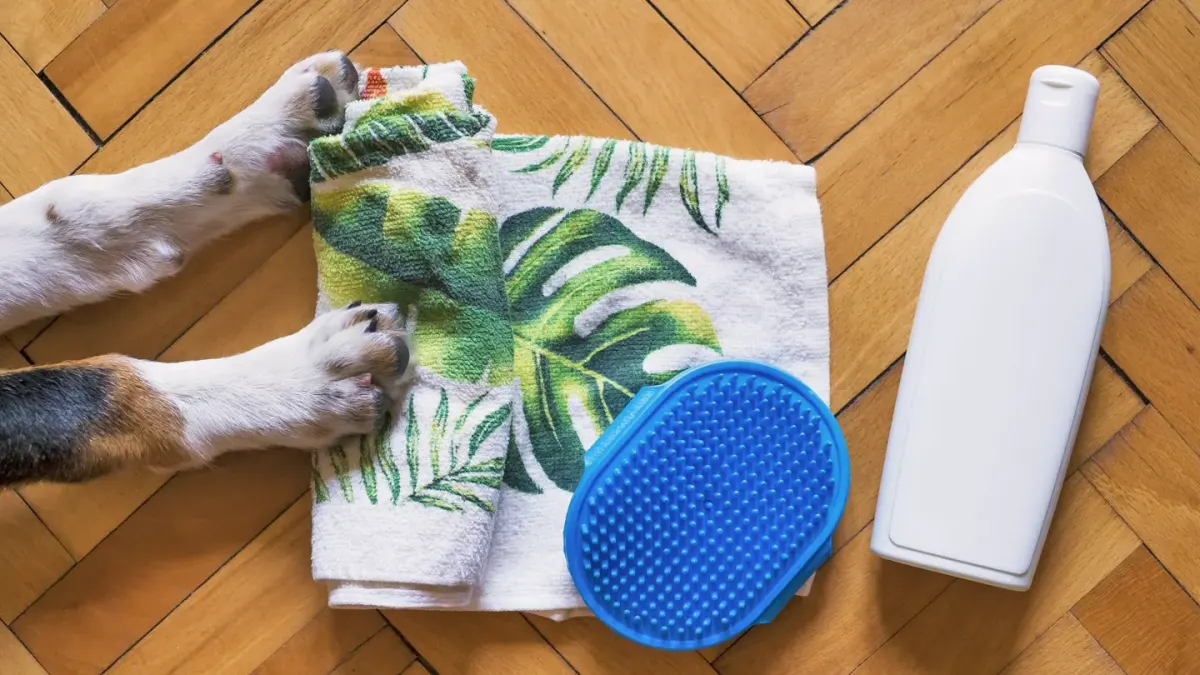
Does your dog get itchy or flaky a day or two after a bath. Check the label before you change the schedule.
Human shampoo and strong perfume are the most common reasons a bath backfires. Dog skin runs at a different pH and carries a thinner barrier than ours, so a product made for people tends to strip oil and leave dryness behind. A mild, dog-formulated wash used only when the coat is dirty usually cleans without that rebound scratch.
Why human shampoo is a poor swap for dogs
Dog skin is more alkaline than human skin. An acidic human shampoo, even a gentle one, can disrupt the surface barrier and dry the coat with repeat use.
Keep human shampoo, dish soap, and baby shampoo for people. If you ran out of dog shampoo, a plain water rinse is kinder than a substitute wash. Call your veterinarian for a short-term option if the dog has a skin condition or needs a medicated bath.
ASPCA notes that dogs generally need bathing only when dirty or smelly, and overbathing can dry skin. That matches what I see in practice. Less fragrance and less lather usually means less irritation.
Ingredients to skip on the label
Read the ingredient panel, not the front claims. Terms like natural, soothing, or oatmeal do not guarantee a mild formula.
Avoid these groups when you can:
Heavy fragrance and masking perfume. Listed as fragrance, parfum, or a blend of essential oils. Scent is a frequent trigger for itching, sneezing, and licking after a bath. Choose fragrance-free or lightly scented products made for dogs.
Harsh sulfates in high-lather formulas. Sodium lauryl sulfate strips oil fast and can leave tight, flaky skin on sensitive dogs. A low-lather, sulfate-free or mild-surfactant formula is usually enough for routine dirt.
Parabens, phthalates, and formaldehyde releasers. Used as preservatives or to hold scent. They add no cleaning benefit for the dog and can irritate damaged or allergy-prone skin. Look for simple preservation and clear usage directions instead.
Harsh preservatives and dyes. Methylisothiazolinone, methylchloroisothiazolinone, and coal-tar colors are unnecessary in a routine pet shampoo. Bright color and strong scent do not mean cleaner.
Potent essential oils and tea tree oil. Concentrated plant oils can irritate skin and cause drooling, nausea, or lethargy if licked or applied too strong. Never use undiluted oils on a dog. Rinse fully and follow contact time.
If the label lists a drug claim, such as antifungal or antibacterial, treat it as a medicated product. Use it only as directed and ask your veterinarian how often to repeat it.
What to pick instead
Look for three things. Made for dogs. Fragrance-free or low fragrance. Clear rinse directions with a short ingredient list.
Lukewarm water, a thorough rinse, and full drying matter as much as the bottle. Leftover residue itches. Work the shampoo with your fingertips, rinse until water runs clear, then check armpits, belly folds, and between toes where product hides.
Bathe on need. Most healthy dogs do fine with washing every few weeks to every couple months, based on coat oil, odor, and dirt. Dogs with allergies, seborrhea, or odor from infection often need a different plan. That is a veterinarian decision, not a stronger shampoo decision.
A three-step check before you buy
One, what do you see. Normal dirt and light odor point to a mild maintenance shampoo. Redness, greasiness, scales, sores, or a strong yeasty smell point to a clinic visit first.
Two, what does the label say. Skip heavy perfume, strong dyes, and harsh sulfates. Pick a dog-formulated product with simple directions.
Three, what happens after. Soft coat with no scratching means the match is good. New itching within 24 to 48 hours, red belly skin, paw licking, or flakes mean stop that product, rinse with water, and call your veterinarian if signs persist past a day or the skin looks broken.
Contact your veterinarian promptly for hives, facial swelling, trouble breathing, open sores, hair loss, or itching that keeps the dog awake. Bring the bottle so the clinic can read the exact ingredients.
For older dogs with dry coats, bathing less often and brushing between baths helps spread oil without stripping skin. Related reading on aging care can help you plan handling and routine: How Old Does a Dog Have to Be Before Signs of Aging Typically Start? and How to Keep an Aging Dog’s Brain Active and Engaged.
The goal is clean skin that stays calm after toweling off. Mild product, full rinse, and bathing only when the coat needs it will do most of the work.
Frequently asked questions
Can I use human shampoo on my dog once?
A single accidental wash is unlikely to cause lasting harm, but do not make it routine. Rinse well with lukewarm water and switch back to a dog-formulated product. Call your veterinarian if itching, redness, or flakes appear.
Are oatmeal or hypoallergenic shampoos always safe?
No label term guarantees no reaction. Fragrance, dyes, and preservatives can still be present. Read the full ingredient list and watch the skin for 24 to 48 hours after first use.
How often should I bathe my dog?
Bathe when the coat is dirty, oily, or smelly rather than on a fixed weekly schedule. Many healthy dogs need it every few weeks to every couple months. Dogs with skin disease need a veterinarian-guided plan.
Sources
- Dog Grooming Tips — ASPCA