Supplements can help make a dog's coat shiny only after diet, parasites, and skin disease are checked first.
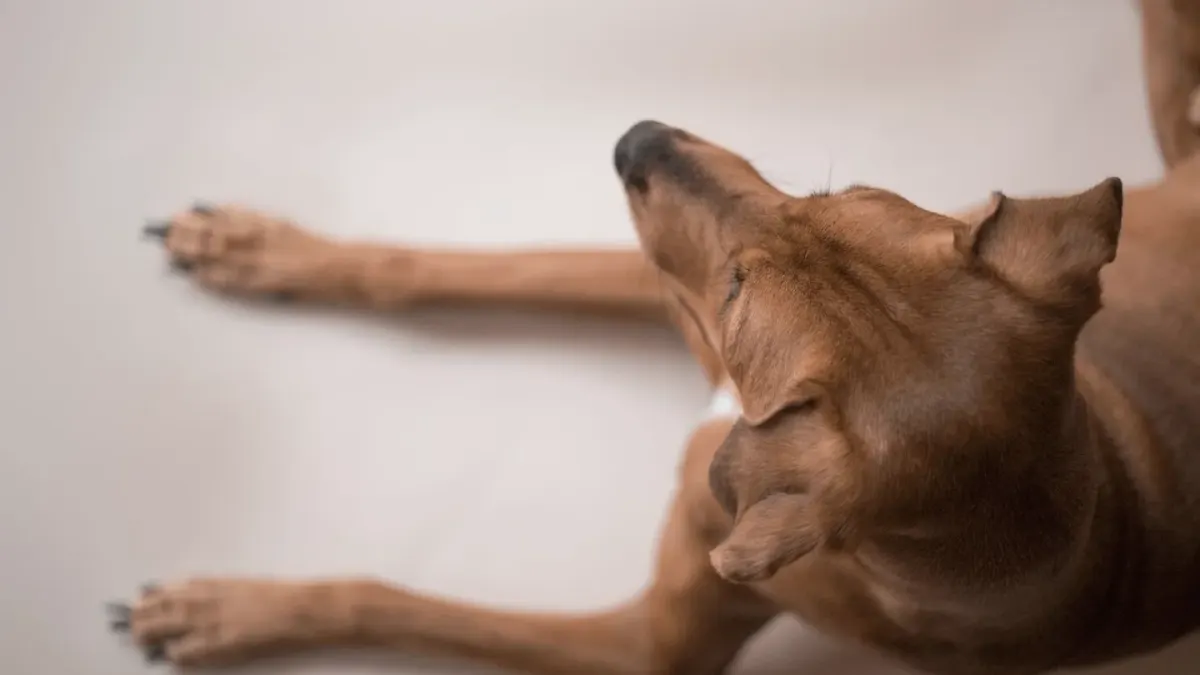
Is your dog’s coat looking dull, flaky, or rough to the touch. That change is often the first sign I notice when diet, parasites, or skin health need attention.
Shine comes from healthy skin and a complete diet first. Supplements help in a smaller group of dogs, mainly when fatty acid intake is low or a veterinarian has ruled out medical causes.

Rule out the basics before you buy anything
A dull coat is a symptom, not a diagnosis. I check food, fleas and mites, infections, allergies, and thyroid or other illness before talking about shine.
Look at the diet label. Adult dogs need complete and balanced nutrition with adequate protein and essential fatty acids, as outlined in the National Academies Press nutrient profiles for dogs. If the food is incomplete, homemade without formulation, very low fat, or expired and poorly stored, coat quality often drops.
Then check the skin. Itching, odor, greasiness, heavy dandruff, bald patches, scabs, or licking at paws point toward parasites, infection, or allergy. Those dogs need a veterinary visit, not a supplement trial.
My three-step check is simple. Confirm a complete diet, confirm current flea prevention and a recent skin exam, and confirm normal itch, appetite, weight, and energy. If any step fails, call your veterinarian first.
Which supplements are actually discussed for shine
When the basics look right, fatty acids get most of the attention. Fish oil provides EPA and DHA, while plant oils and some animal fats provide linoleic acid and alpha-linolenic acid. Dogs cannot make linoleic acid in adequate amounts, so it must come from diet.
The effect is gradual, usually assessed over six to twelve weeks alongside diet and skin care.
What I tell owners is plain. A balanced food already contains fat. Added oil helps most when the diet is low in essential fats, when the skin is dry and flaky without infection, or when your veterinarian recommends a trial for barrier support. It helps least when the dog is itchy, infected, losing hair in patches, or eating an unbalanced diet.
Biotin, zinc, vitamin E, and collagen blends are marketed for coat health, but evidence in dogs with an already complete diet is thin. I do not start them on my own for shine. Poor collagen turnover with age is part of normal biology, which I explain more in How Collagen Production Changes as Dogs Age, yet that does not mean a powder will restore shine. Choose a product with a clear label, lot number, and feeding directions, and ask your veterinarian about dose, interactions, and monitoring. That caution matters more for seniors, a point I return to in How Old Does a Dog Have to Be Before Signs of Aging Typically Start?
Butchie, a 5-year-old neutered male Miniature Dachshund from Lincoln, is a typical example. His owner Anthony noticed dry flakes and less shine after switching to a budget food and bathing weekly. The practical fix was a return to a complete diet, less frequent bathing with a mild dog shampoo, flea prevention review, and a vet visit to rule out skin disease before any oil trial.

How to use a fatty acid trial safely
Pick one change at a time. Keep the same complete food, add only the supplement your veterinarian approves, and track appetite, stool, itch, odor, dandruff, and shine with photos in the same light.
Give it time. Skin turns over in weeks, not days. If vomiting, diarrhea, greasiness, itching, or weight gain develop, stop and call your clinic. Fish oil adds calories and can affect clotting and some conditions, so dogs on heart medication or other prescriptions need a medication review first, the same principle I use in Can Dogs on Heart Medication Also Take CoQ10?
Grooming still counts. Regular brushing removes loose hair and spreads skin oils, and bathing too often strips them. Rinse well, dry fully, and keep flea control current through the trial.
End with the sign that should change your next action. If shine improves and flaking lessens within eight weeks with normal skin comfort, continue the plan your veterinarian approved. If dullness persists, itch worsens, or bald spots, odor, or sores appear, book a veterinary visit rather than adding another supplement.
Frequently asked questions
Will fish oil make my dog's coat shiny?
It may help when essential fatty acid intake is low and skin disease has been ruled out, with results judged over 6 to 12 weeks. It will not fix itching, infection, parasites, or an unbalanced diet.
How long should I try a coat supplement?
Ask your veterinarian for a defined trial, often about 8 weeks, with one change at a time and photos to track shine, dandruff, and itch. Recheck sooner if vomiting, diarrhea, odor, sores, or hair loss develop.
When is a dull coat a vet visit instead of a supplement?
Book a visit for itching, bald patches, scabs, odor, greasiness, heavy flakes, appetite or weight change, or low energy. Those signs point to parasites, infection, allergy, or internal illness.
Sources
- Nutrient Requirements of Dogs and Cats — National Academies Press