Know what added flavorings do in probiotic chews before you judge the label by taste.
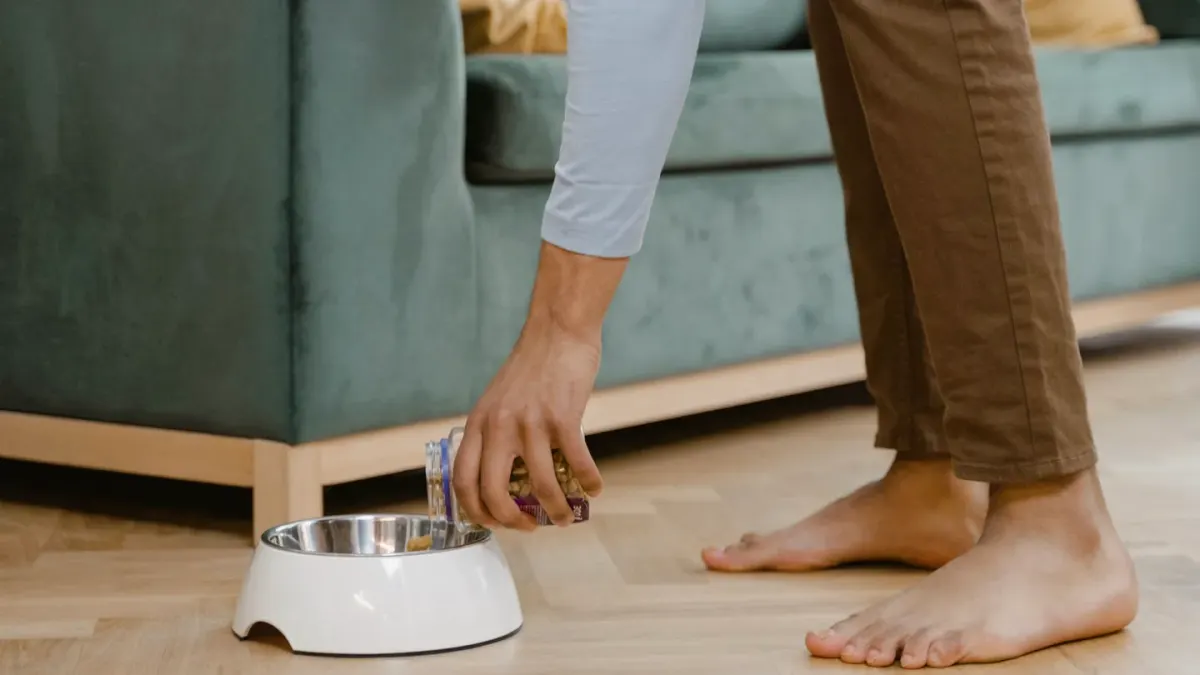
Does that smoky bacon or peanut butter smell mean a probiotic chew is less healthy for your dog. No, that smell is mostly about getting your dog to eat the chew willingly.
Chews need to be eaten to work at all, and most probiotic ingredients have little taste appeal on their own. Flavorings bridge that gap. Your job is to read past the flavor name and check what else came with it.

Why that tasty smell is in the chew
Manufacturers add flavor for acceptance, not for gut support. A chew your dog spits out helps no one, so bacon, chicken, peanut butter, or vanilla notes make daily dosing easier.
Flavor can be listed as natural flavor, artificial flavor, or a specific ingredient like chicken liver powder. The U.S. Food and Drug Administration explains that pet food labels must list ingredients in descending order by weight and follow truthful labeling rules, which is why the ingredient panel matters more than the front of the bag.
Flavor gets them to eat it.
Vets often see owners worry that flavor means the product is all filler. In practice, flavor is usually a small part of the formula. The larger concern is whether sugars, heavy fats, or extra sodium were added alongside it to improve taste, especially for dogs watching weight or with pancreatitis history.
What natural flavor tells you — and what it does not
Natural does not mean simpler or safer by itself. What helps more is specificity. Chicken liver, dried whey, or mixed tocopherols used for preservation tell you more than the word flavor alone. If you see only natural flavor with no parenthetical detail, contact the company and ask what animal protein source it contains, which matters for dogs with food allergies.
Jill in Round Rock weighed this with Calypso, her 2-year-old spayed Standard Schnauzer mix. Calypso refused two unflavored powders over 10 days, then took a chicken-flavored chew on the first try. Jill kept the chew but checked the label for chicken allergy risk, calorie content, and lot number before making it routine.
For related label reading on alternative formats, see Liquid Longevity Supplements for Dogs That Refuse Chews and for age-related nutrition context, see How Collagen Production Changes as Dogs Age.
A three-step check before you buy a flavored chew
Start from what you can see today: does your dog eat it, tolerate it, and need it.
First, match the flavor to your dog. If your dog has a known chicken, beef, dairy, or peanut allergy, skip any chew with that named flavor or vague animal digest until the maker confirms the source. Dogs with no allergy can use either natural or artificial flavored options if the rest of the diet fits.
Second, read the full panel, not the claim. Look for total calories or feeding directions, added sugars like dextrose or glycerin high on the list, sodium level if your vet has limited it, and xylitol, also labeled as birch sugar, which should not be in a dog product. Call your veterinarian right away if you suspect xylitol ingestion.
Third, track stool and appetite for seven days. Keep meals, treats, and exercise steady, then note stool form, gas, vomiting, itching, or refusal. A balanced gut microbiome supports overall immune function as ordinary structure and function background, but flavor itself does not prove gut benefit.
When flavor points to a vet call
Most flavored chews cause no issue beyond better compliance. Stop the chew and call your clinic if you see repeated vomiting, diarrhea lasting more than 24 hours, facial swelling or hives after a new flavor, or loss of appetite paired with lethargy.
Bring the bag or a clear photo of the ingredient panel, lot number, and how many chews were eaten. That detail lets your vet judge whether flavor protein, fat load, or something else is the likely trigger.
Watch the next two stools after you stop the flavored chew. If they firm back up and appetite returns, share that change with your vet before you retry or switch.
Frequently asked questions
Are natural flavorings safer than artificial flavorings for dogs?
Not automatically. Both can improve acceptance, and safety depends on the full formula, dose, and your dog's allergies or health conditions. Read the full ingredient panel and ask the maker about the protein source if your dog has allergies.
Should I avoid probiotic chews with added flavorings?
You do not need to avoid flavor by itself. Skip products with vague animal sources when your dog has food allergies, and avoid extras like high sugar load or xylitol. Track appetite and stool for seven days after starting any new chew.
Sources
- Pet Food — U.S. Food and Drug Administration