No cough suppressant is good for a collapsed trachea unless your veterinarian selects the drug and dose for your dog.
Is that dry honking cough keeping both of you up at night. I hear this question often, and the short answer is plain: daily management does more than any bottle of cough syrup. Vets sometimes prescribe cough suppressants such as hydrocodone, butorphanol, or diphenoxylate-based protocols for selected dogs, and choice and dose stay strictly with the examining veterinarian. Your job at home is to lower how often the cough fires in the first place.
Why cough control starts outside the medicine cabinet
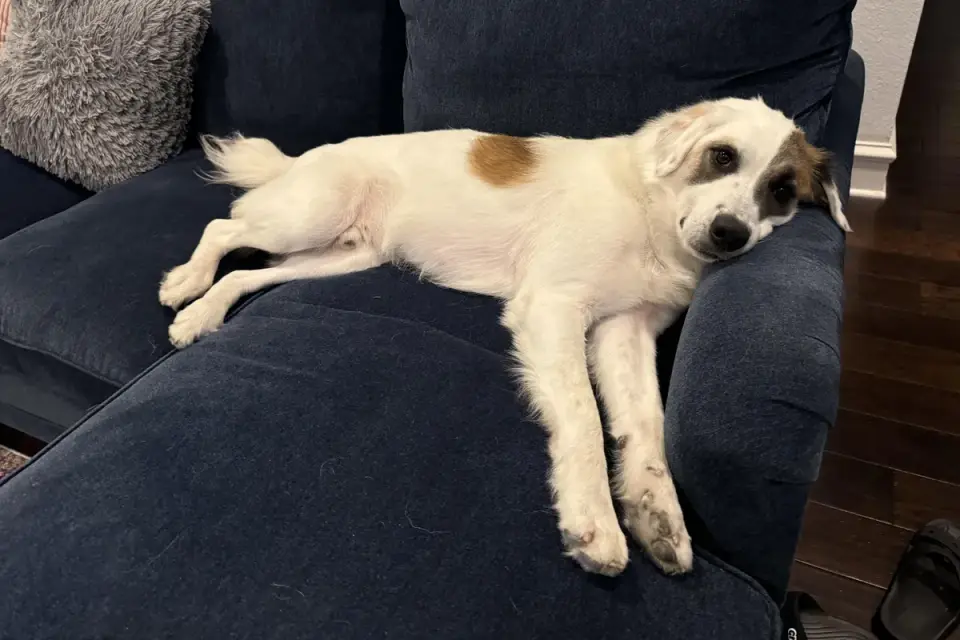
A collapsed trachea means weak cartilage rings flatten during breathing. Pressure, excitement, heat, smoke, and extra weight make that flattening worse. That is why VCA Hospitals lists weight control, harness use instead of neck collars, and avoiding airway irritants as core care. Do this today. Switch to a well-fit chest harness. Keep walks calm and short in hot or dusty air. Ask your vet about a healthy weight target at the next visit. You can read more about daily tradeoffs in How Is Collapsed Trachea in Dogs Treated? and what the noise means in What Does Collapsed Trachea in Dogs Sound Like?. Debra in Phoenix noticed this with Codi, her 3-year-old Jack Russell Terrier mix. The cough flared with collar pulling and rough play, then settled faster once walks moved to a harness and calm sniff breaks.
What vets may prescribe when cough persists
When cough continues despite trigger control, your vet may add a short course or as-needed prescription antitussive, often alongside anti-inflammatory or sedative support for anxiety-driven coughing. Do not use human dextromethorphan, codeine, or combination cold products at home. Doses do not transfer across species, added ingredients can harm dogs, and suppression can mask worsening disease. The American College of Veterinary Surgeons notes advanced cases may need imaging, bronchoscopy, or surgical referral, so a cough that changes deserves recheck rather than a higher home dose. Learn what long-term monitoring looks like in Collapsed Trachea in Dogs: How Long Can They Live?.
A three-step check before you call about cough medicine
Try this order. Note the trigger. Excitement, pulling, heat, smoke, or night cough. Track weight and breathing effort. Faster resting breathing, blue gums, fainting, or open-mouth struggle means urgent care, not cough syrup. Call with specifics. Frequency, sound clip if safe, current weight, harness type, and other drugs or supplements. Contact your veterinarian promptly if cough turns moist, brings up foam, causes gagging with poor recovery, or keeps your dog from sleeping or walking. Those signs change the plan. Good control looks like longer quiet stretches, easy rest, and a cough that stays brief after known triggers.
Frequently asked questions
Can I give my dog over-the-counter cough syrup for collapsed trachea?
No. Human products can contain doses or added ingredients that are unsafe for dogs and may hide worsening disease. Ask your vet whether a prescription antitussive fits your dog.
What helps most besides cough medicine?
Healthy weight, a chest harness instead of a neck collar, calm exercise, clean air, and treating excitement, allergies, or extra weight with your vet. Those steps lower how often the cough starts.
Sources
- Tracheal Collapse in Dogs — VCA Hospitals
- Tracheal Collapse — American College of Veterinary Surgeons