Plan for 8 to 12 weeks of strict rest first, then short leash walks only as your vet clears each step.
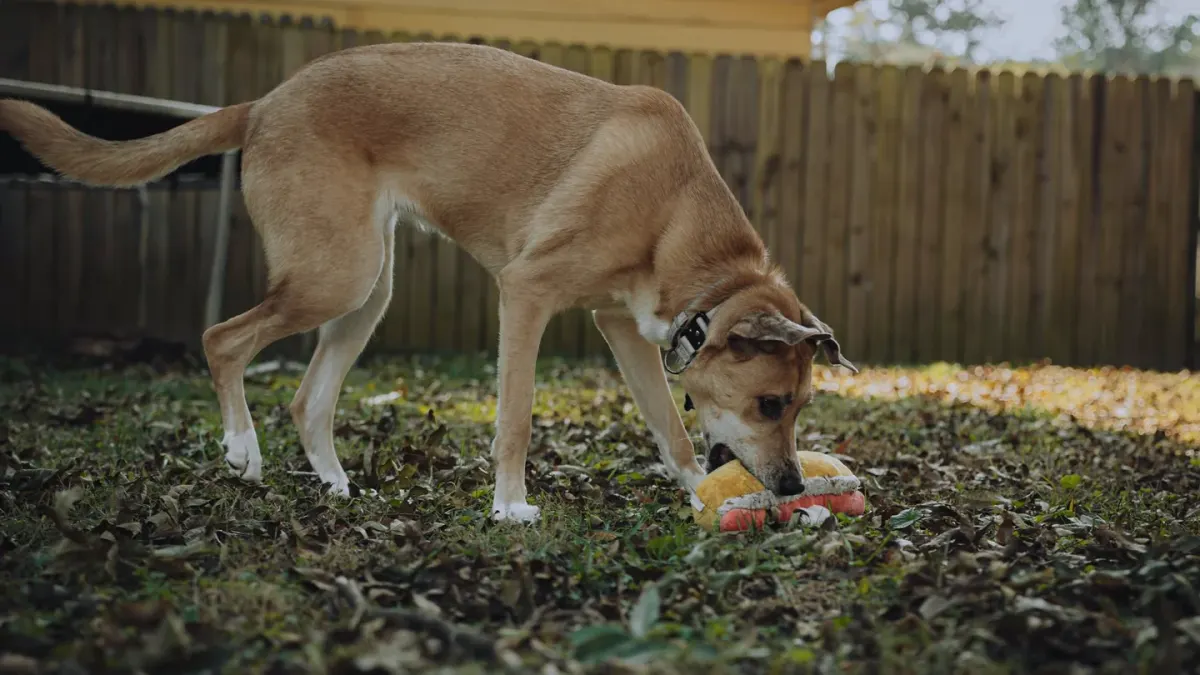
Does your dog seem comfortable one day and sore the next after knee surgery. That pattern is common. Healing is slow, and the early weeks are mostly about restraint while bone and soft tissue settle.
Most dogs need 8 to 12 weeks of restricted activity after cranial cruciate surgery, with rechecks guiding each step. The American College of Veterinary Surgeons notes that successful recovery depends on strict confinement, controlled leash exercise, and follow-up exams rather than early activity. Your surgeon may adjust the plan for TPLO, lateral suture, or meniscal repair, but the order stays the same: rest, then brief movement, then strength.
Week 1: quiet healing and close watching
The first few days are about pain control, swelling, and incision care. Keep your dog in a small room or crate, carry small dogs up stairs, and use a sling or towel under the belly for large dogs on potty trips. Walks are potty only, on leash, 3 to 5 minutes.
Check the incision twice daily. Look for mild redness and slight swelling the first 48 hours. Call your veterinarian the same day for opening, discharge, strong odor, leg swelling below the bandage, or refusal to touch the leg down after day 3. Keep the e-collar on. Many owners find the routine from crate rest rules helps during this tired first week.
Weeks 2 to 4: rest continues, short walks begin
This phase feels boring. That is the point. Most surgeons still require crate rest with brief, flat leash walks for potty breaks. Some add 5-minute slow walks 2 to 3 times daily if the incision has healed and lameness is improving.
Watch weight bearing. Toe-touching should slowly become more consistent. Lifting, cleaning and broken sleep can feel heavy now, and support from family helps. Gentle handling, calm crate time, and puzzle feeders prevent bursts of running or jumping.
Contact your veterinarian if limping worsens after improvement, if your dog suddenly holds the leg up again, or if you hear crying when rising. Those changes can mean too much activity, infection, or meniscal irritation.
Weeks 4 to 8: rechecks guide more movement
explains that bone healing must be confirmed on x-ray before activity increases, which is why off-leash play and stairs stay off limits until clearance.
If cleared, walks build slowly, often by 5 minutes per week on flat ground. Rehab may include underwater treadmill, cavaletti poles, or targeted exercises. Keep sessions short and stop if swelling returns. Maintain lean weight, since extra pounds load the healing knee and the opposite leg. A steady home routine like the steps in 5 Affordable Pet Care Steps for Low-Income Families can help you track food, rest, and rechecks without missing signs.
Weeks 8 to 12 and beyond: return to normal, slowly
Many dogs walk fairly well by 8 weeks but still lack stamina and muscle. Your vet may allow longer leash walks, gentle hills, and brief supervised freedom in one room. Running, fetch, dog parks, and rough play usually wait until 12 weeks or longer.
Use my three-step check each week. Look at the leg: swelling, incision, muscle shape. Watch the walk: stride length, toe placement, sitting square. Note the pattern: better each week, flat, or worse after exercise. Bring those notes to rechecks.
Call sooner for sudden non-weight-bearing lameness, clicking with pain, fever, wound drainage, or chewing at the knee. Opposite-leg limping also deserves a prompt visit, since dogs often stress the other cruciate ligament during recovery.
The sign that the plan is working is quiet and steady. Less limping after short walks, calmer crate rest, and more even muscle over the thigh point toward healing. If progress stalls for more than a few days, pause the increase and ask your veterinarian before pushing ahead.
Frequently asked questions
How long does dog ACL surgery recovery take?
Most dogs need 8 to 12 weeks of strict rest and gradual leash walks, with full muscle return taking several months and vet clearance at each step.
When will my dog walk normally after ACL surgery?
Many dogs bear more weight within 2 to 4 weeks, but a steady, even stride often takes 8 to 12 weeks, and rushing walks can set healing back.
When should I call the vet during ACL recovery?
Call the same day for wound opening, discharge, fever, sudden non-weight-bearing lameness, rapidly worse limping, or swelling that does not ease with rest.
Sources
- Cranial Cruciate Ligament Disease — American College of Veterinary Surgeons