Sit sideways, stay quiet, and toss treats behind you — most wary dogs warm up faster when you stop reaching for them.
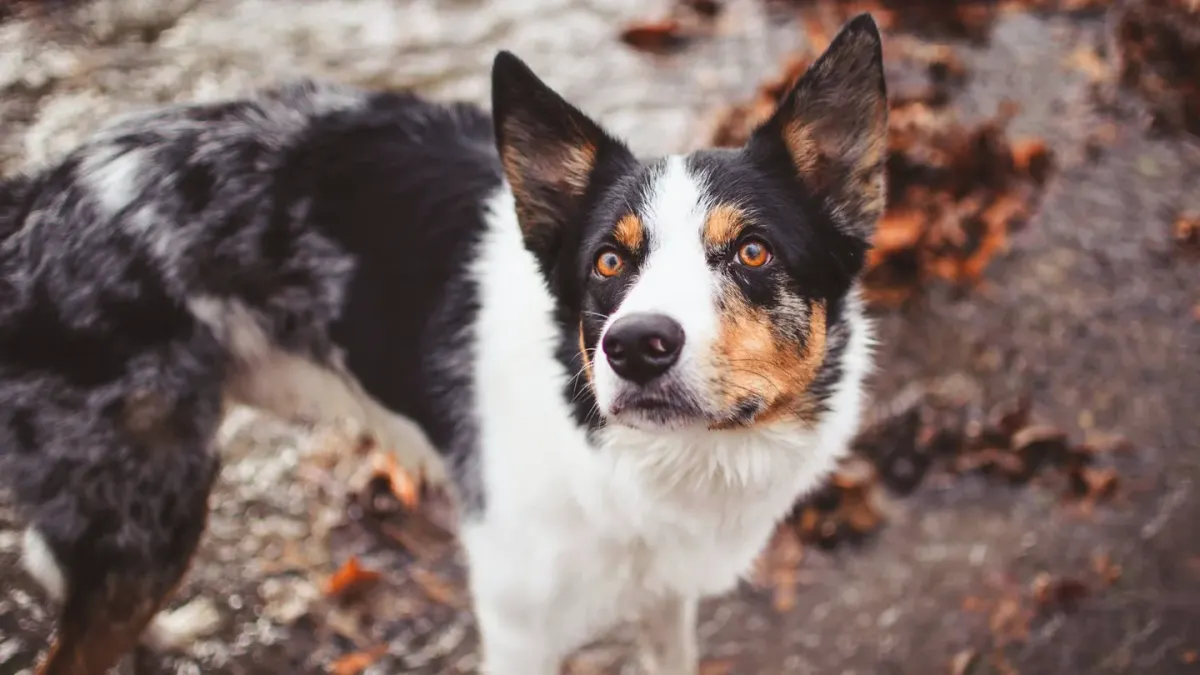
Does that dog back away when you reach out to say hello. Give them a choice instead.
Pressure pushes most dogs away. Space pulls them in. I see it in shy rescues, in new adoptees, in a friend’s dog that hides under the table. The dogs that get crowded shut down. The dogs that get options check you out.
Try less for the next five minutes. Turn a little sideways. Crouch if you can do it comfortably. Keep your hands still in your lap. Look soft, not straight at them. Let the dog sniff the air and decide.
Let the dog start the hello
Walk into the room and ignore the dog at first. Sit down nearby. Drop a small treat a few feet to your side without talking. Drop another one a little closer. Wait.
No reaching over the head. No patting the top of the skull. No hugging, no lifting, no chasing for a kiss. Many dogs tolerate that from family. Almost none like it from a stranger.
Watch for loose signals. Soft eyes, relaxed mouth, easy tail wag at body height, a curved approach with a sniff. Those mean keep going. Stiff body, tucked tail, lip licking, yawning, turning the head away, moving off. Those mean add distance.
The American Veterinary Society of Animal Behavior supports humane, low-stress handling built on the animal’s comfort, and that same idea works for greetings. Predictable and gentle beats loud and sudden.
Run my three-step check before you pet
Use this each time you meet a wary dog.
- Pause. Stand or sit still and count to five. Let the dog notice you without contact.
- Invite. Turn sideways, hold a relaxed hand low at your side, and see if the dog moves toward you. Toss a treat, do not hand-feed at first.
- Test. Pet for two seconds under the chin or on the side of the neck, then stop. Does the dog lean in, nudge, or stay close. Keep going lightly. Does the dog freeze, step back, or look away. You have your answer. Give space.
Learn the early stress cues so you do not miss them. When you see them, toss the next treat farther away, not closer.
Food helps, but choice helps more. Scatter treats on the ground rather than luring from your fingers. Sniffing the ground lowers arousal for many dogs. Play later, after trust. A short game with a toy can build connection for a confident dog, and quiet enrichment helps a senior dog settle too — I talk about simple mental work in How to Keep an Aging Dog’s Brain Active and Engaged.
Stay predictable after the first hello
Dogs like people they can predict. Same voice. Same routine. Same rules.
Keep visits short. One calm five-minute session beats an hour of following the dog around. Feed on time. Walk the same route. Let the dog sleep undisturbed. Talk in a low, even tone. Fast hands and loud praise scare shy dogs, even when you mean well.
Ask the owner what the dog likes. Some dogs love a chest scratch. Some prefer no touch at all for the first days. Some guard food or toys, and tossing treats near a guarding dog makes things worse. Do not hand-feed around other pets.
Age matters. Puppies warm fast but tire fast. Adolescents test boundaries. Seniors may move slower and guard sore spots, and what looks like aloofness can be stiffness or hearing loss. I review typical aging timelines in How Old Does a Dog Have to Be Before Signs of Aging Typically Start?.
Call the veterinarian if fear does not lift. Hiding all day, refusing food, trembling, growling when approached, snapping, sudden change in a previously social dog, pain on touch, appetite loss past 24 hours. Those need a medical check before more training. Pain and fear look alike in dogs.
Watch the next approach. A dog that chooses to walk toward you, stays loose, and asks for more is telling you the plan worked.
Frequently asked questions
Should I hold out my hand for a dog to sniff?
Skip the reach. Keep your hand at your side, turn sideways, and let the dog approach and sniff on their own. Toss treats to the side rather than holding food in your fingers.
How long does it take for a new dog to trust me?
Many dogs relax in days, shy or fearful dogs may need weeks of short, predictable visits. Track loose body language and voluntary approaches. If fear, hiding, or appetite loss persists, schedule a veterinary visit.
What if the dog growls at me?
Stop, add distance, and give the dog an exit. Growling is a warning signal. Do not punish it. Talk with the owner and the veterinary team about a safe behavior plan.
Sources
- Humane Dog Training Position Statement — American Veterinary Society of Animal Behavior