No chew, oil, or capsule calms a panicked dog in minutes, so your fastest help is distance from the trigger plus a quiet place to settle.
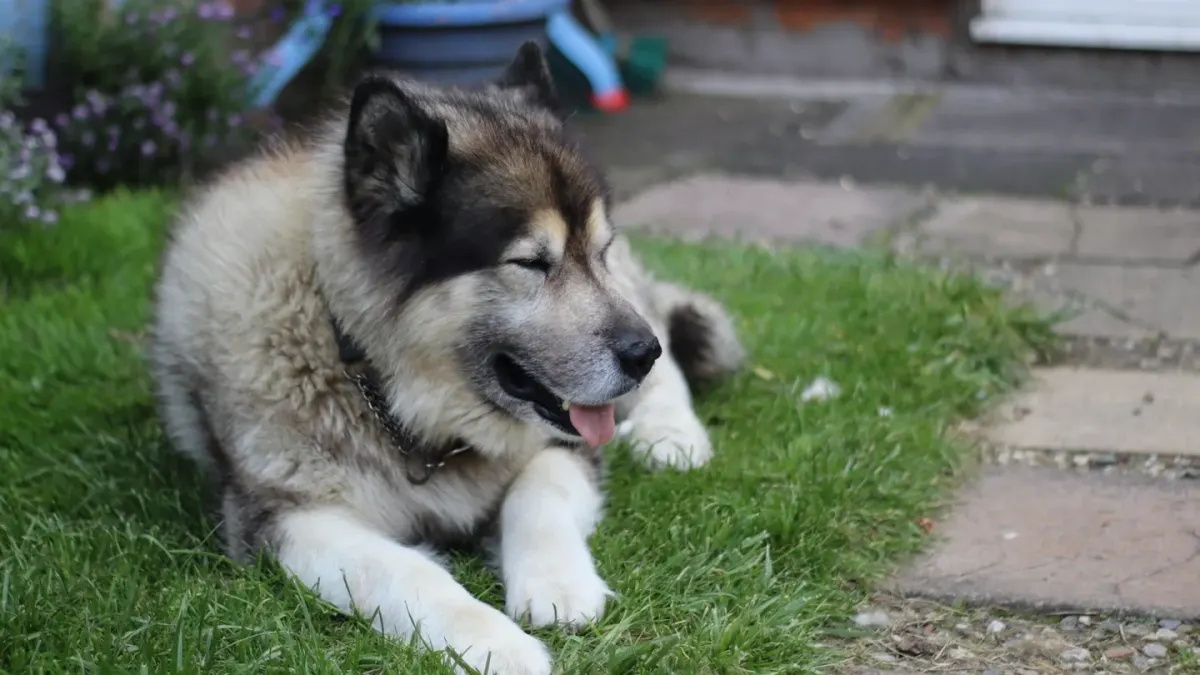
Is your dog pacing, panting, or barking at the door right now. Move him away from what set him off before you reach for any product.
Nothing sold as a calming supplement works immediately. Chews, powders, and oils need digestion and time, and most were studied over weeks, not minutes. Fast relief comes from changing the situation. Create distance, lower noise and movement, and offer a safe retreat.
What helps in the first few minutes
Use this three-step check I use on the clinic floor.
1. Remove the stressor or remove the dog. Close curtains for storms or visitors. Move behind a barrier on walks. Turn down music and ask guests to ignore the dog. Many owners find that distance and quiet do more in five minutes than any chew.
2. Offer a familiar resting spot. A crate with the door open, a bed in a bathroom, or a mat in a quiet corner works. Keep crate time focused on games and rest, a pattern other owners describe when they keep absences in a prepared bathroom while the crate stays positive. Do not lock a panicked dog inside. Let him choose to lie down, chew quietly, or watch the door.
3. Keep your own behavior calm and simple. Speak quietly. Stroke the ears gently if he seeks contact. Pair a simple settle cue with quiet praise. Watch for yawning, sighing, slower breathing, or lying on one hip. Those body cues tell you arousal is dropping.
If you notice drooling, shaking, tucked tail, dilated pupils, refusal of treats, or attempts to escape, that is high fear. Stay with him. Skip training in that moment. Contact your veterinarian if episodes repeat, worsen, or include aggression, self-injury, or house-soiling tied to absences.
Keep daily life simple while you learn his triggers. Owners often report that evenings became gentler after they pared back toys and offered quieter activities. A short sniff walk, a food puzzle, then lights low can help. For low-cost ways to keep routine care steady, see 5 Affordable Pet Care Steps for Low-Income Families and keep notes on what preceded each episode.
Why calming ingredients are not instant
L-theanine is an amino acid found in tea that has been studied for its calming properties. Chamomile and Valerian Root have been used in traditional herbal care to support relaxation. Contains KSM-66 Ashwagandha, a clinically studied form of Ashwagandha for stress support.
Those phrases describe general study interest, not speed. Human research moves slowly by design. This was a single-blinded, 12-week randomized controlled trial, and 30 participants (66 ± 3 years) were randomly assigned to consume 100 mg of 5-HTP daily or not consume it, as reported in Nutrients. Twelve weeks is the opposite of immediate, and human results do not set a dog dose.
Animal diet studies also run for weeks. The study diet significantly increased the ratio of plasma tryptophan to large neutral amino acids and decreased urinary cortisol concentrations after being consumed daily for 8 weeks, but there was no effect on plasma cortisol levels following a stressful event (veterinary examination and blood draw), as reported by Journal of Applied Animal Welfare Science. That gap matters. A lower resting measure did not block the stress spike.
Herbal calming ingredients carry the same limit. The National Institutes of Health Office of Dietary Supplements notes that valerian is studied for sleep and calm in people, with mixed results and no defined veterinary dose for acute fear in dogs. Never borrow a human dose, and ask your veterinarian before combining products, especially with behavior drugs.
What to do after the moment passes
Write down trigger, time, place, and recovery time. Note food, exercise, visitors, and noise. Patterns guide prevention better than memory. If storms, fireworks, or departures always trigger the same response, ask your veterinarian about a behavior plan and whether a fast-acting prescription for specific events fits your dog. Those drugs differ from daily supplements and need a direct exam and dosing plan.
Keep the home safe between episodes. Store food, chew toys, and medications out of reach. Some common human foods add risk during a stressful day, so review Avocado and Dogs: Keep This Fruit Off the Menu as part of a calm, dog-proof resting area.
Call your veterinarian promptly for open-mouth breathing at rest, blue gums, collapse, uncontrolled vomiting or diarrhea, bite wounds, or fear that does not ease after the trigger ends. The sign that should change your next action is recovery. Brief startle with quick return to eating and play points to management and training. Long recovery or escalation points to a vet visit.
Frequently asked questions
What calms a dog down immediately during fireworks or visitors?
Increase distance from the noise, lower lights and sound, and offer a quiet bed or open crate in a familiar room. Stay calm, keep handling minimal, and let the dog settle without forcing cuddling or confinement.
Do calming chews work right away?
No. Most ingredients are studied over weeks and need digestion time. Use the moment for management first, then talk with your veterinarian about long-term plans if anxiety repeats.
Sources
- 5-HTP and stress in older adults — Nutrients
- Tryptophan diet and cortisol in cats — Journal of Applied Animal Welfare Science
- Valerian fact sheet for health professionals — National Institutes of Health Office of Dietary Supplements