Your older dog skipping meals after a puppy arrives is common, checkable, and usually fixable within days.
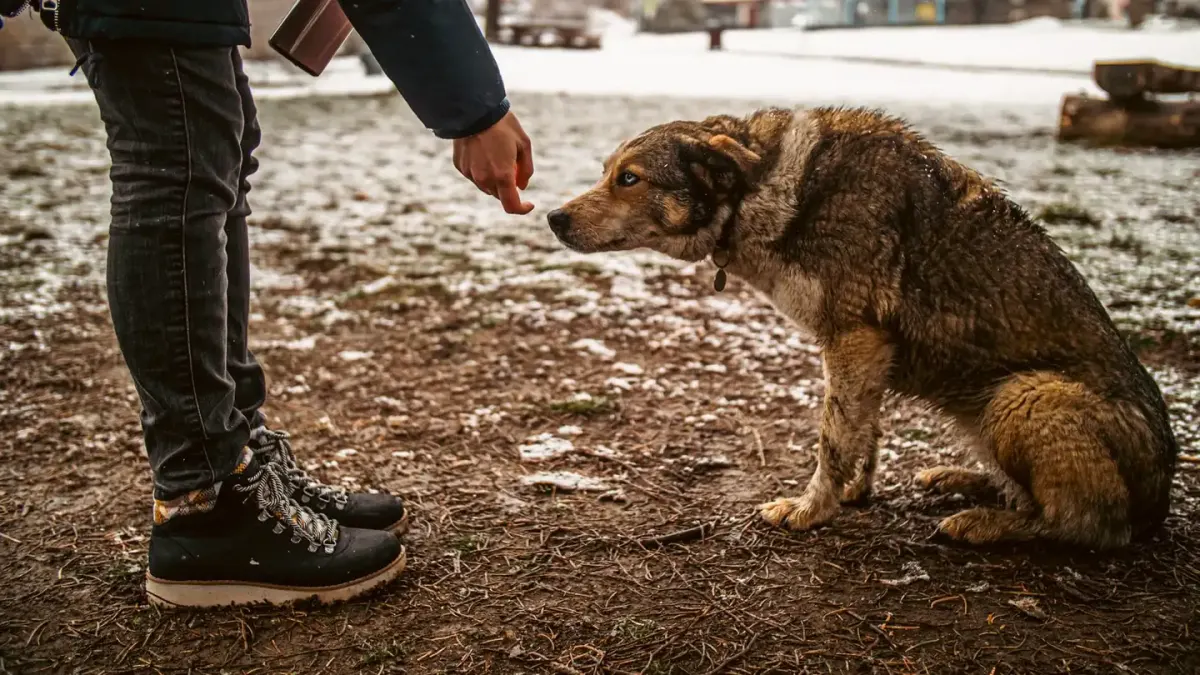
Is your older dog eating less since the puppy moved in. That question comes up in the exam room almost every week, and the short answer is stress plus disrupted routine.
My disputed premise is simple. Most of these dogs are not sick and do not need appetite stimulants or a new diet on day one. They need space, predictability, and a medical rule-out if the fast lasts. I will test that idea below, then give you the checklist I want you to use at home.
A four-year-old neutered Labrador I saw as a composite case makes the decision concrete. He had eaten twice daily for years, then the family brought home an eight-week-old terrier mix on a Saturday. By Tuesday morning, the fourth day in the house, he had skipped three full meals in a row and would sniff the bowl and walk to the door. He still drank water, still wagged on walks, and had no vomiting or diarrhea. The owners worried about jealousy, but what I saw was a tired adult dog avoiding a chaotic kitchen, guarding his energy, and waiting for quiet. We kept his feeding station separate, set timed meals, and booked a recheck if intake stayed below half for another 24 hours.
Start here: the 15-minute checklist
- Separate the bowls. Feed the adult in a quiet, closed room away from the puppy.
- Keep timed meals. Put food down for 15 to 20 minutes, then pick it up until next meal.
- Measure intake. Note how much of the usual portion is eaten at each meal.
- Watch water, energy, vomiting, diarrhea, and weight. Any drop in water or new lethargy moves faster.
- Track for 24 to 48 hours. Call your veterinarian if eating stays below half normal, stops fully, or other signs appear.
- Do not free-feed, hand-feed all day, or add rich toppers to coax eating.
Stress looks like not eating
A new puppy changes smell, sound, sleep, walk order, and access to you. Adult dogs often cope by withdrawing, and food refusal is one visible piece. The Merck Veterinary Manual describes how behavior, environment, pain, nausea, and systemic illness can all reduce intake, which is why I separate routine stress from medical anorexia early.
Routine stress usually keeps water intake normal, keeps the dog bright between puppy bursts, and improves when the house is calm. Medical causes tend to add vomiting, drooling, lip-smacking, belly pain, fever, cough, lameness, bad breath, or a dull attitude that does not lift. Puppies can also bring intestinal parasites or respiratory bugs into the home, so a new cough, diarrhea, or weight loss in either dog deserves a call.
The failed trade-off I see most
Owners try to help by feeding together, adding chicken and cheese, and leaving the bowl down all day. It feels kind. It often backfires.
A three-year-old 28-lb beagle mix shows how that trade-off fails, as a composite example. She missed breakfast on day two after the puppy arrived, so the owner moved both bowls side by side and added warm chicken broth. The beagle ate two bites, the puppy charged her bowl, she growled, then she avoided the kitchen for the rest of the day. Over the next two nights she ate perhaps one quarter of her normal amount and started begging from the couch instead. The extra toppers raised the stakes around the bowl without lowering the social pressure, and constant access let the puppy rehearse stealing. Once the owner returned to separate rooms, plain food, and timed meals, the beagle ate half a portion that evening without hovering. Together sounds fair. Separate is calmer.
My three-step check
1. Is this safe to monitor at home for 24 hours. Check age, body condition, water, stool, vomit, energy, and medications. Healthy adult dogs can miss a meal or two while stressed, but puppies, tiny breeds, diabetic dogs, and dogs on daily medication have less reserve. If your dog drinks normally, perks up on a walk, and has no vomiting, diarrhea, pain, or breathing change, home management for a day is reasonable.
2. Fix the setting before you change the food. Feed behind a door or baby gate. Keep the same diet, same bowl, same times. Walk the adult alone first so the puppy does not drain every interaction. Give the older dog a chew or rest spot the puppy cannot reach. Many dogs resume eating once meals feel safe again. General behavior guidance from VCA Hospitals also favors predictable feeding times and separate resources when tension rises in multi-dog homes.
3. Set a firm recheck line. Contact your veterinarian if intake stays under half normal for more than 24 to 48 hours, if the dog refuses all food for 24 hours, if water drops, if weight is slipping, or if any new sign appears. Bring the exact diet, amounts offered and eaten, vaccine and parasite history for both dogs, and a stool sample if asked. A veterinary visit is the safer next step when you are unsure, especially for seniors and dogs with kidney, liver, dental, or gastrointestinal disease.
Appetite often returns in small steps.
Where calming ingredients fit, and where they stop
I do not start with supplements for a dog that stopped eating after a puppy arrived. Food, sleep, and space solve more cases than capsules.
That said, owners ask about calming options during the adjustment. “L-theanine is an amino acid found in tea that has been studied for its calming properties.” I read that as general context, not proof that it restores appetite in a stressed adult dog. It does not replace a medical workup, separate feeding, or training. If you consider any calming product, ask your veterinarian first, use a dog-specific label, and watch whether meals, rest, and play actually improve.
The concession is plain. Short-term structure and sometimes veterinary-prescribed support help dogs with deeper anxiety. Long-term supplement stacking without a diagnosis does not.
When the usual advice has to bend
Seniors bend the rules. A nine-year-old 54-lb shepherd mix in a composite scenario had started eating slower the month before the puppy arrived, and the owners linked it to age. After the puppy moved in, she ate standing at the far end of a 12-foot hallway, then stopped finishing dinner. Her owner measured a loss of about one cup per day across three days and noticed head-shyness when the puppy bumped her near the bowl. Instead of pushing separate-room feeding alone, we did something different. We scheduled a prompt veterinary exam for mouth pain and bloodwork, raised the bowl to elbow height, softened the usual diet with warm water as directed, and gave her a locked laundry room for every meal. Appetite alone was not enough to call this routine stress, and older dogs with dental disease or early systemic illness need earlier hands-on care. For background on age-related change, see Why a Senior Dog Seems More Sensitive to Heat or Cold Now and Why Does an Old Dog Seem Less Steady on His Feet Lately?.
Watch for the sign that should change your plan. A dog that moves toward the separate bowl, sniffs, then eats half or more within 20 minutes is adjusting. A dog that keeps walking away, drops water intake, vomits, has diarrhea, coughs, loses weight, or stays flat is telling you to call.
Frequently asked questions
How long can my older dog safely skip meals after a puppy arrives?
Many healthy adults bounce back within 24 to 48 hours once meals are separate and timed. Call your veterinarian sooner if intake stays below half normal, stops fully for 24 hours, water drops, or vomiting, diarrhea, lethargy, or weight loss appears.
Should I switch foods or add toppers to get my dog eating again?
Keep the usual diet for the first day or two and change the setting first. Rich extras can upset the stomach and raise tension around the bowl. If your veterinarian advises a diet change for medical reasons, follow that plan.
Should the dogs eat together so the older dog feels included?
Feed separately behind a door or gate. Together often creates guarding and stealing, even in friendly dogs. Inclusion comes from solo walks, rest, and calm training time, not shared bowls.
Sources
- Merck Veterinary Manual — Merck Veterinary Manual
- Routine and Multi-Dog Feeding Guidance — VCA Hospitals