Bring a short video of your dog rising, walking, and climbing stairs, because that footage plus a hands-on joint check usually decides what happens next.
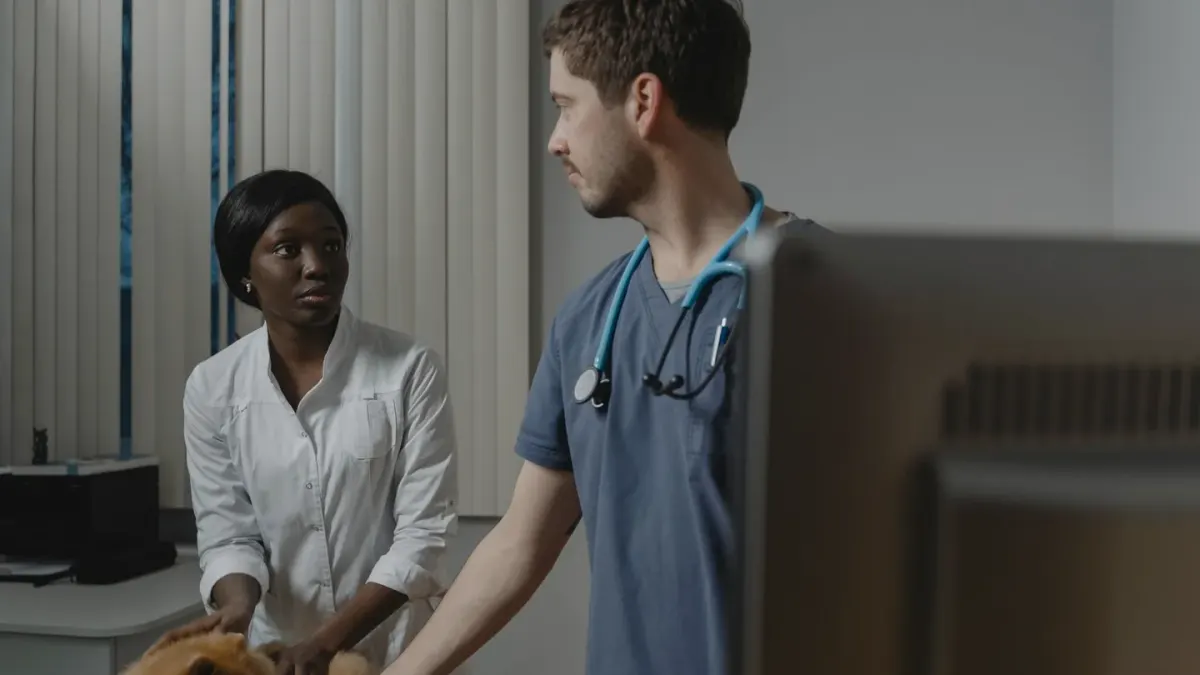
Is your dog slower to get up, stiff after a nap, or skipping stairs they used to take easily? Those changes are worth a closer look, and a mobility exam is how your vet sorts out whether it is soreness, weakness, or joint pain.
That visit is mostly watching and feeling how your dog moves. Expect questions about home behavior, a walk and turn in the room, then a careful hands-on check of joints, spine, and muscles.
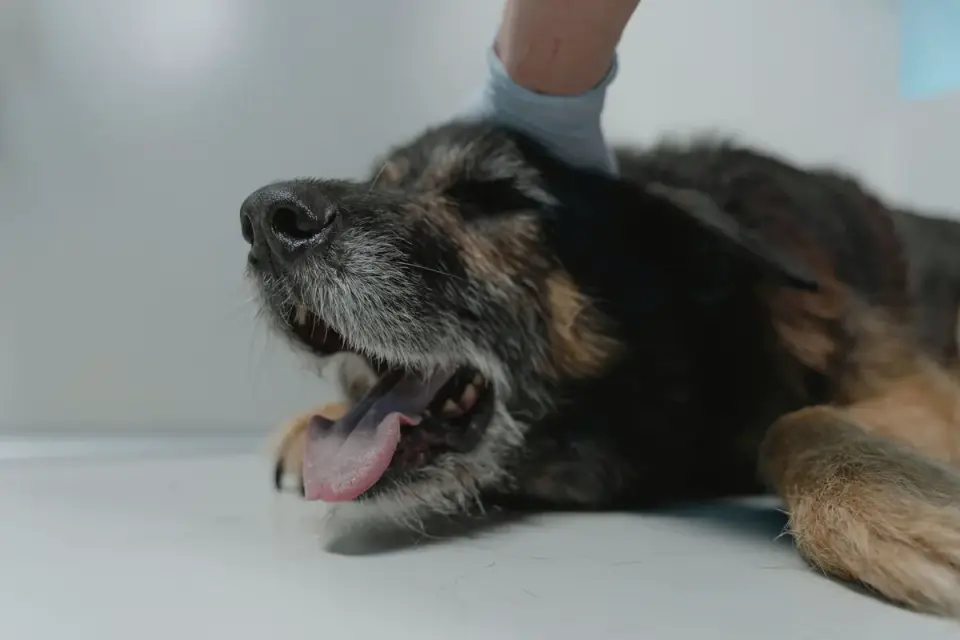
What to bring so the vet sees the real problem
Video helps more than description. Film 20 to 30 seconds of your dog getting up from lying down, walking away and toward you on a flat surface, and handling one step or curb. Note which leg seems off, what time of day it is worse, and any yelp, slip, or new reluctance to jump into the car.
Bring a list of medications, supplements, current food, and recent weight change. If your dog is older, review How Old Does a Dog Have to Be Before Signs of Aging Typically Start? before the visit so you can flag what has changed in the last month. Keep your dog on a short leash and skip a long run that morning so stiffness is not masked by warm-up.
How your vet watches movement first
Most exams start with a gait check while your dog walks and trots in a hallway. Your vet looks for a shortened stride, head bob, hip sway, toe dragging, or sitting with a leg stuck out to one side. These patterns, described by VCA Hospitals as common signs linked to arthritis in dogs, help point to front versus back legs and joint versus nerve causes.
Your vet will also watch posture, muscle shape over the thighs and shoulders, nail wear, and how your dog rises, turns tightly, and backs up. Pain score and weight-bearing matter here. A dog that shifts weight forward may be unloading sore hips or knees.
What the hands-on joint and nerve check feels like
Next comes the table or floor exam. Your vet flexes and extends each major joint, feels for swelling, heat, clicking, reduced range, or a pain response, and compares left and right muscle mass.
That neurologic part is quick but important. Expect knuckling tests, tail tone, paw placement, and gentle pressure along the neck and back. Loss of coordination, dragging, or sudden back pain points more toward spine or nerve disease than a simple sprain, and it changes the next step.
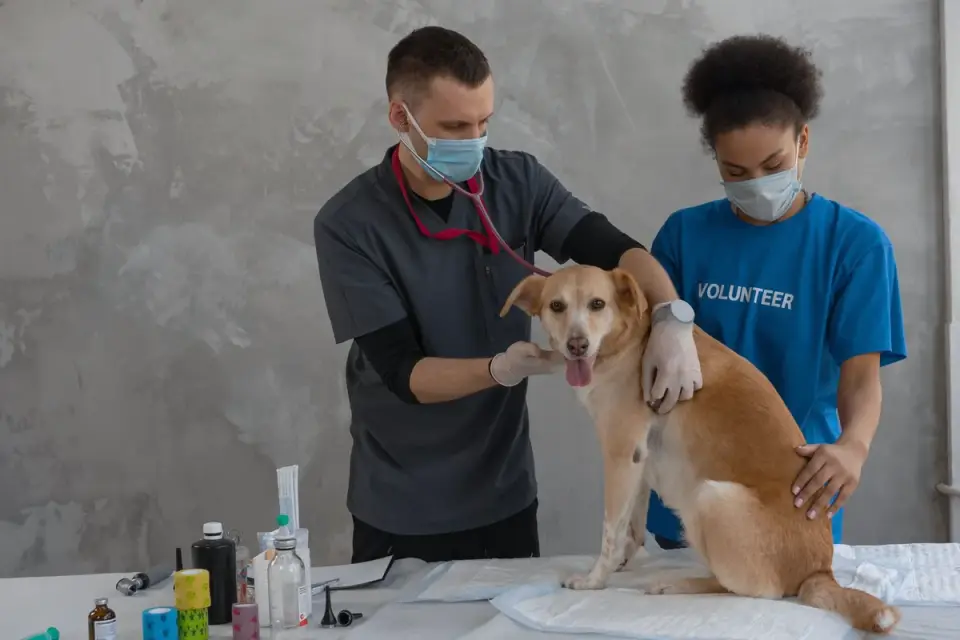
When X-rays, bloodwork, or referral come up
Not every dog needs X-rays on day one. Your vet may recommend them when lameness lasts more than a few days, when a joint is swollen or unstable, when a large or senior dog has chronic stiffness, or before starting long-term pain medication. Sedation is common because relaxed positioning gives a clearer view of hips, knees, elbows, and spine.
Bloodwork and urine testing are often suggested for older dogs or before nonsteroidal anti-inflammatory drugs, to check liver and kidney function. Joint fluid analysis, advanced imaging, or a surgeon or neurologist referral is reserved for unstable knees, suspected infection or immune-mediated joint disease, or weakness that does not match the joint findings. Changes in connective tissue with age, explained in How Collagen Production Changes as Dogs Age, are one reason older dogs may need both joint and muscle assessment rather than an X-ray alone.
What you should leave with
Ask for three things in plain language: the likely source of pain or weakness, what to restrict this week, and what sign should trigger a recheck. Common home instructions include leash walks only, no stairs or jumping, non-slip rugs, a firm orthopedic bed, and a target weight.
Contact your veterinarian sooner if your dog cannot bear weight, cries when touched, drags the toes, loses bladder control, or has leg swelling, fever, or pain that worsens after 48 hours of rest. If your dog takes a morning to loosen up but then moves well, track it for two weeks and bring that log back. Steady improvement changes the plan, steady stiffness keeps the workup moving.
Frequently asked questions
How long does a dog mobility exam take?
The hands-on portion often takes 15 to 30 minutes, plus time for history, gait observation, and discussion. X-rays or lab work add extra time, often with sedation and a few hours for results.
Will my dog need sedation for a mobility exam?
Usually not for the exam itself. Sedation is often used for X-rays so positioning is accurate and pain-free, especially for hips and elbows.
Should I give pain medication before the visit?
Ask your clinic first. Medication given right before the exam can mask pain responses your vet needs to see. Bring the product name and dose so the vet can factor it in.
Sources
- Arthritis in Dogs — VCA Hospitals