Dogs need a little salt, but table scraps and chips can turn that need into a habit that harms.
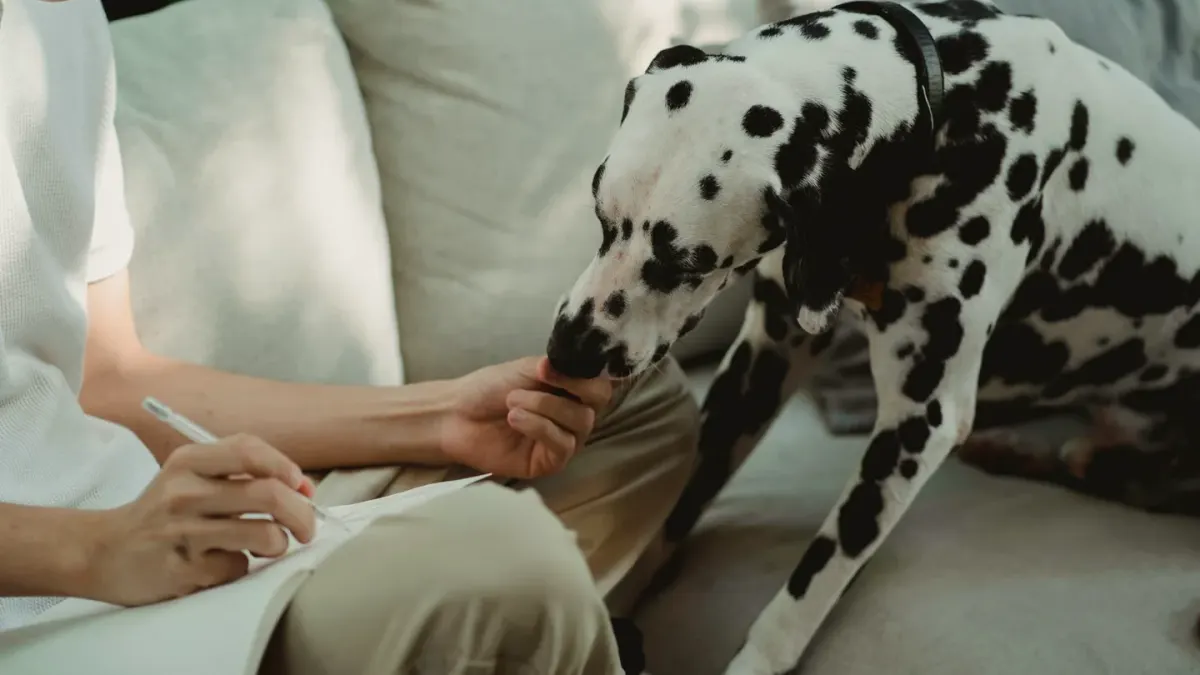
Can dogs have salt without a vet visit after. A single lick of fries or a crumb of pretzel rarely causes harm, but repeated salty sharing can. Complete dog food already contains the sodium a healthy dog needs for fluid balance and nerve function. Extra salt from human food adds no benefit and trains a dog to beg for foods that carry more risk.
A lick is not the same as a habit
One taste is different from daily tastes. A small lick may cause brief thirst and nothing more. A habit of chips, bacon, deli meat, salted nuts, or broth poured over kibble raises sodium intake day after day.
High-sodium foods often bring fat, seasonings, onion, or garlic with them. Those extras cause stomach upset on their own. The Merck Veterinary Manual notes that excess salt intake can lead to vomiting, excessive thirst and urination, and in severe cases neurologic signs, which is why dose and access matter more than any single crumb.
Think in patterns, not panic. If salty sharing happens once, watch and reset. If it happens most nights, change the routine before weight, thirst, or blood pressure issues build.

How much salt changes the risk
There is no safe table-scrap amount to aim for. Balanced diets are formulated to meet sodium needs without added salt. Owners do best by keeping human salty foods as rare accidents, not treats.
Risk climbs with small body size, large amount eaten, and fast eating without water. Play dough, rock salt, paintballs, and homemade dough with salt pose a higher danger than one potato chip because the dose is concentrated. The U.S. Food and Drug Administration lists salty snack foods among people foods to keep away from pets, along with other high-risk items such as chocolate and foods containing xylitol.
Dogs with heart disease, kidney disease, liver disease, or high blood pressure need stricter limits. For them, even routine salty extras can be the wrong choice. Contact a veterinarian for diet guidance if your dog has one of these conditions, takes a prescription diet, or takes medication that affects fluids or electrolytes.
Learn what changes with age as well, since thirst and kidney function shift over time. Readers following senior-dog health often review How Old Does a Dog Have to Be Before Signs of Aging Typically Start? and How Collagen Production Changes as Dogs Age to keep diet and daily care in context.
My three-part check before you share salty food
Use this check each time someone wants to share.
First, name the food. Plain cooked meat or vegetables are easier to judge than seasoned fries, pizza crust, jerky, or canned soup. If you cannot tell how salty it is, skip it.
Second, measure the moment. Was this a pea-sized taste once this week, or the third salty snack today. Frequency matters. Keep portions tiny, infrequent, and part of daily calories rather than extra on top.
Third, watch the dog. Age, size, health, and thirst matter. Puppies, small breeds, seniors, and dogs on heart medication need a lower threshold for saying no. The Pet Poison Helpline explains that signs of excess salt intake can include vomiting, diarrhea, reduced appetite, excessive thirst or urination, and lethargy.
That check fails in one clear situation. If your dog already begs at the table, counter-surfs, or guards salty food, sharing even a little reinforces the habit. Stop table sharing entirely and switch to a plain dog treat, a short training rep, or a walk away from food.
Keep it simple.
When to call your vet right away
Call your veterinarian or poison control promptly if your dog ate a large amount of salt, dough with salt, rock salt, or many salty snacks at once. Note your dog’s weight, what was eaten, how much, and when.
Seek same-day care for repeated vomiting, diarrhea, extreme thirst that does not settle, wobbly walking, tremors, or unusual tiredness after salt exposure. Bring the package or a photo of the label when possible. Do not try to force vomiting or force water unless directed by a veterinarian.
Prevention is easier than treatment. Store chips and salted nuts up high, rinse canned beans or vegetables when used, choose low-sodium options only as directed by your vet, and tell guests the rule once. For overall brain and body health in later years, many owners also read How to Keep an Aging Dog’s Brain Active and Engaged.
Is your dog gulping water bowl after bowl, vomiting, or acting dull after salty food — would you know that is the sign to stop waiting and call your vet now.
Sources
- Salt — Pet Poison Helpline